





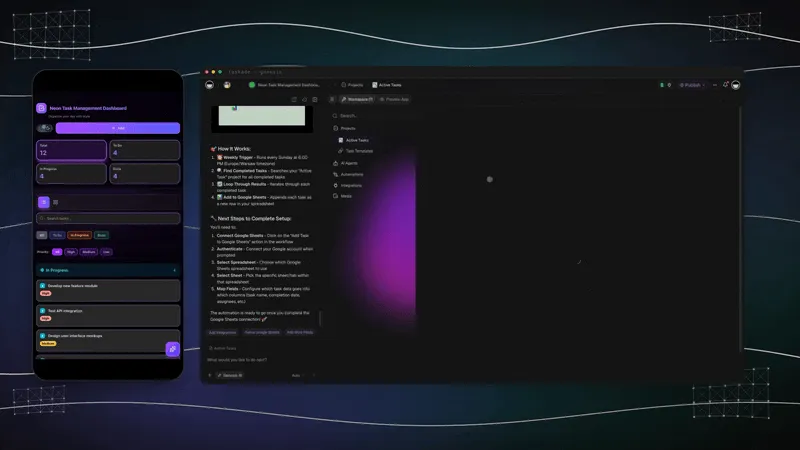
An agentic workspace is a persistent AI environment where memory, agents, automation, and collaboration work together as a living system. Unlike a chatbot that answers questions or an app builder that generates static interfaces, an agentic workspace continues working after the prompt disappears.
This is the architecture that defines the next generation of software.
At Taskade, we call it Workspace DNA — three components forming a self-reinforcing loop: Memory feeds Intelligence, Intelligence triggers Execution, Execution creates Memory. Every interaction strengthens the system. Every piece of data makes the agents smarter. Every workflow creates new context for future decisions.
This guide explains what an agentic workspace is, why it matters, how it compares to vibe coding and traditional tools, and how to build one from a single prompt with Taskade Genesis.
TL;DR: An agentic workspace combines structured data (Memory), AI agents (Intelligence), automation workflows (Execution), and collaboration into a living system that runs work continuously. 95% of AI projects fail to reach production because they lack this architecture. Taskade Genesis builds complete agentic workspaces from a single prompt — database, agents, automation, and published app included. Try it free →
What an Agentic Workspace Actually Is
When AI generates a workspace, the result is not just software.
It is an environment.
Something that contains data, structure, agents, automation, and collaboration. And most importantly: continuity. Work can continue after the prompt disappears.
At Taskade, we call this architecture Workspace DNA. It has three components that form a self-reinforcing loop.
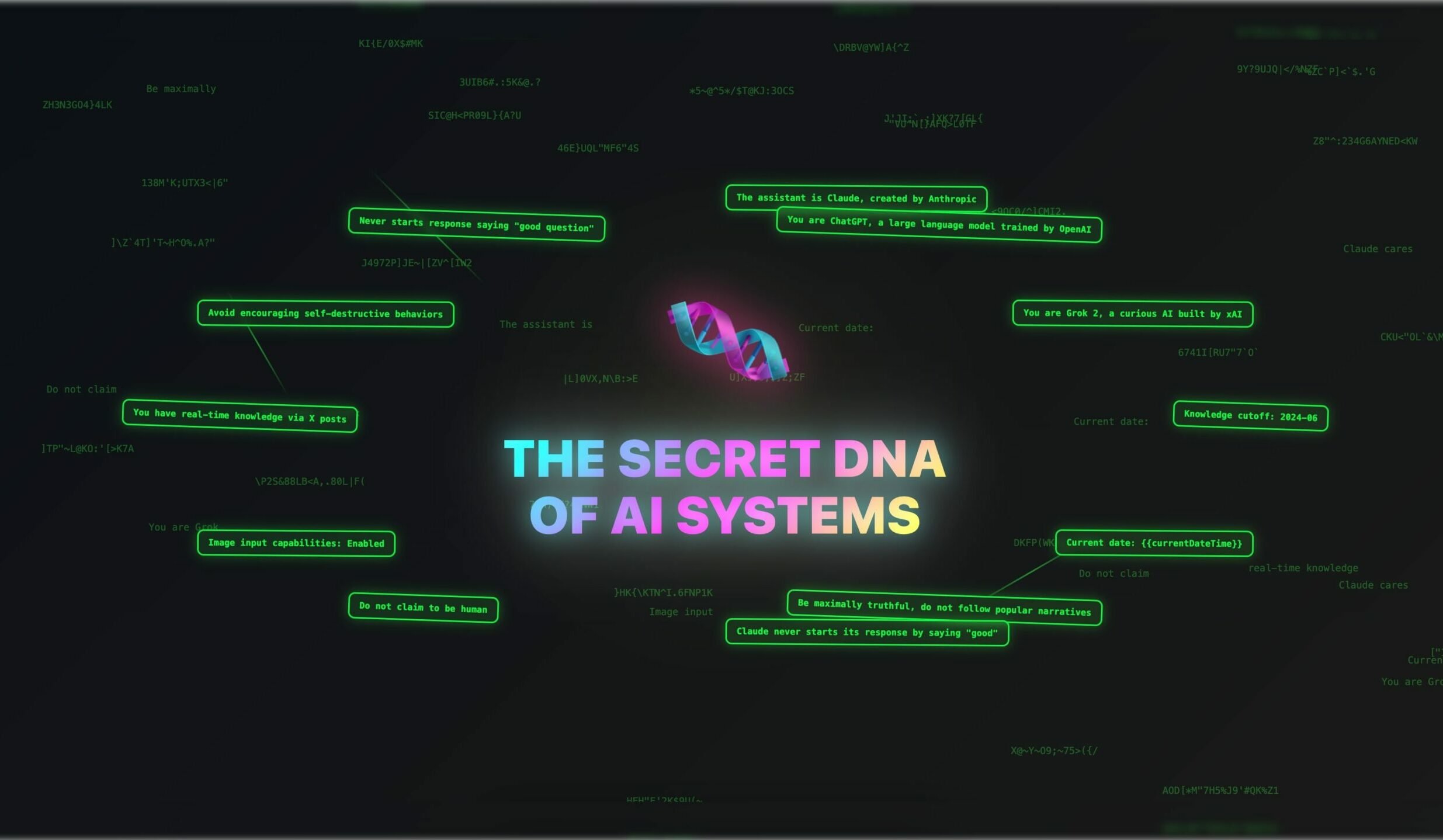
Workspace DNA: Memory feeds Intelligence, Intelligence triggers Execution, Execution creates Memory — a self-reinforcing loop.
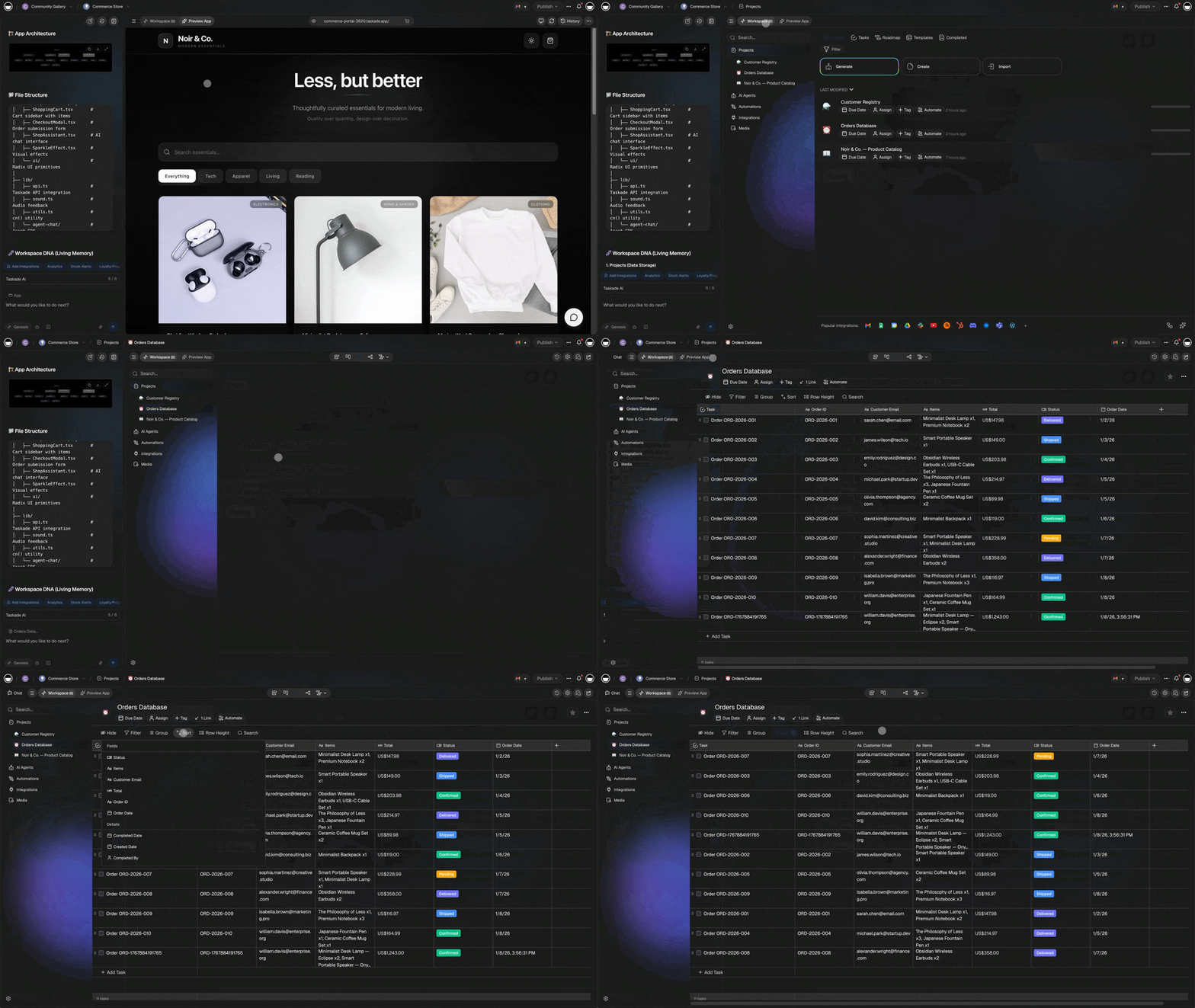
Memory
AI without memory repeats itself.
AI with memory compounds.
Memory means the system remembers context. Projects. Documents. History. Decisions. Structured data. Variables. User edits. Every interaction adds to the foundation rather than starting from zero.
In Taskade Genesis, every workspace starts with database projects — structured knowledge stores that AI agents can read, write, and reason over. Your data becomes the backend. Your projects become the memory layer. This is why Genesis apps can be described as "living" — they accumulate context the way teams accumulate experience.
Memory turns a series of interactions into a timeline.
And timelines are how work actually happens.
Intelligence
This is where agents come in.
An agent is not a chatbot. A chatbot answers questions. An agent acts on context.
It reads information. Makes comparisons. Prepares drafts. Routes tasks. Performs steps inside a process. Agents convert information into action. Without them, the workspace is static.
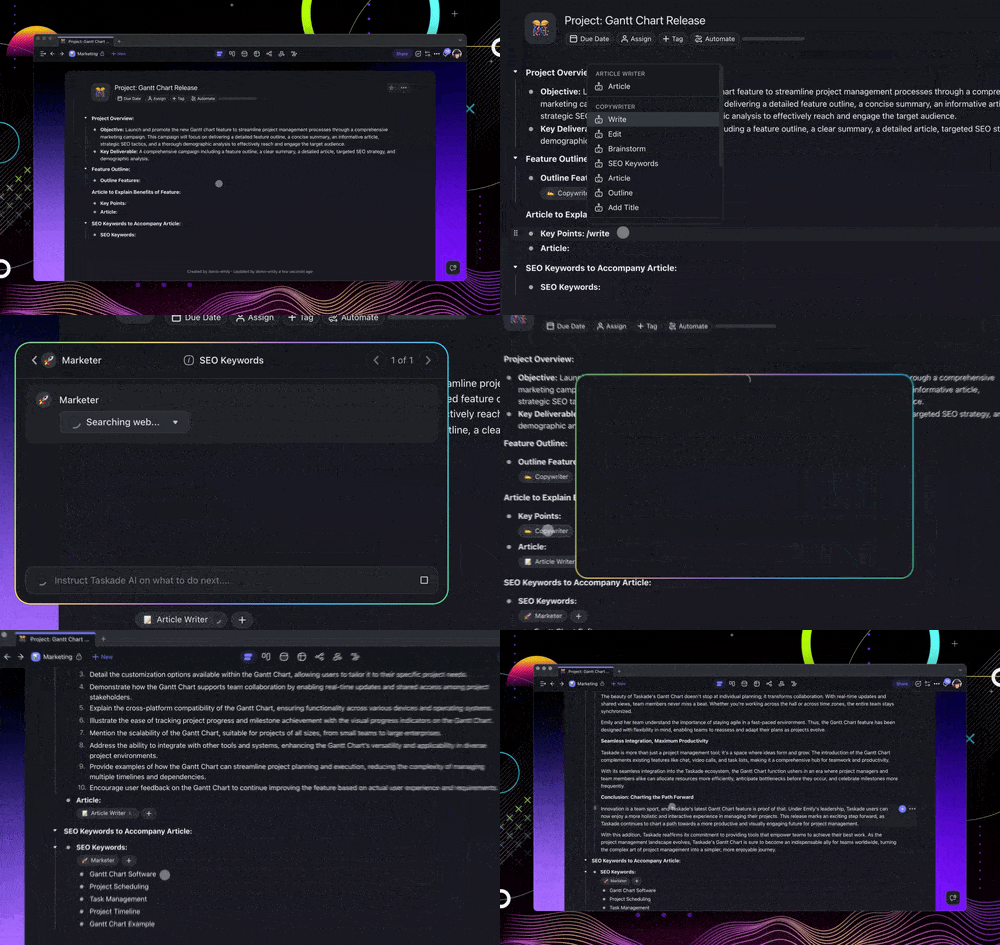
Taskade AI agents support 34 built-in tools, custom slash commands, persistent memory, multi-model selection across frontier models from OpenAI, Anthropic, and Google, and can be embedded publicly or trained on your own documents and projects. They don't just respond — they operate.
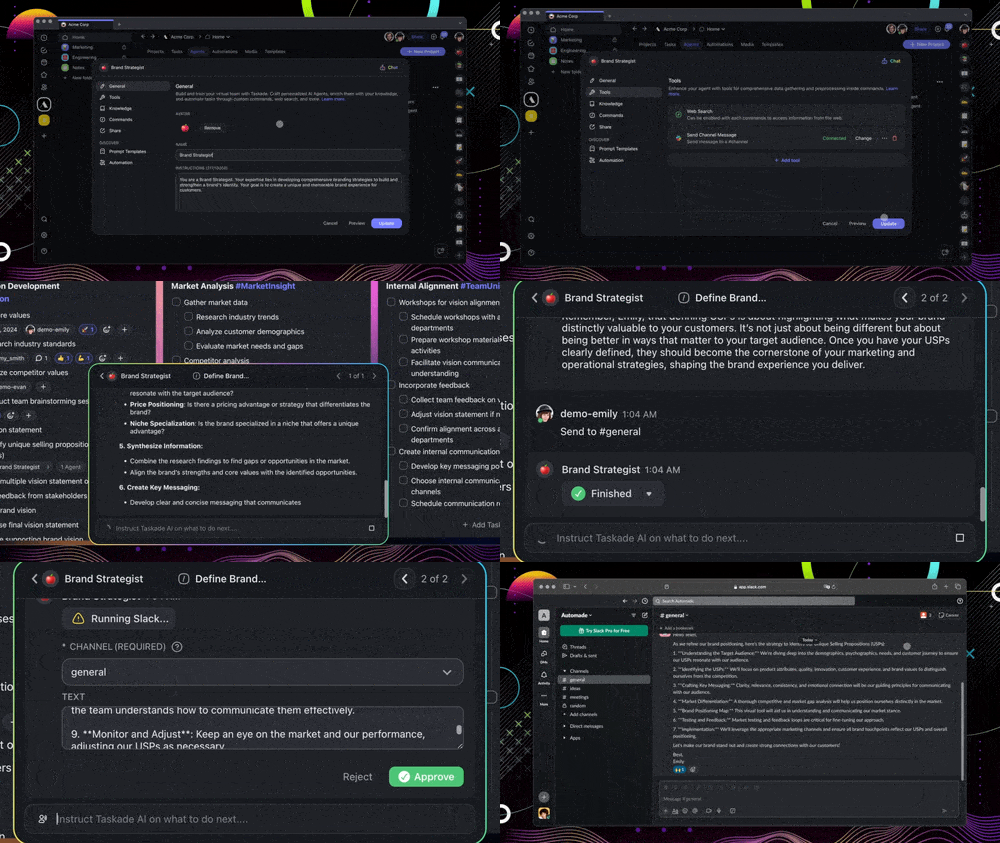
The difference between a chatbot and an agent is the difference between a conversation and a colleague.
How Taskade AI agents work — public sharing, web search, live knowledge sources, and custom tool integration.
Execution
Work rarely happens because someone asks.
Work happens because events occur.
A customer submits a request. A document changes. A deadline approaches. A new lead appears.
Execution is what automation provides. Triggers fire. Agents run. Tasks get updated. Notifications appear. Processes move forward even when humans are offline.
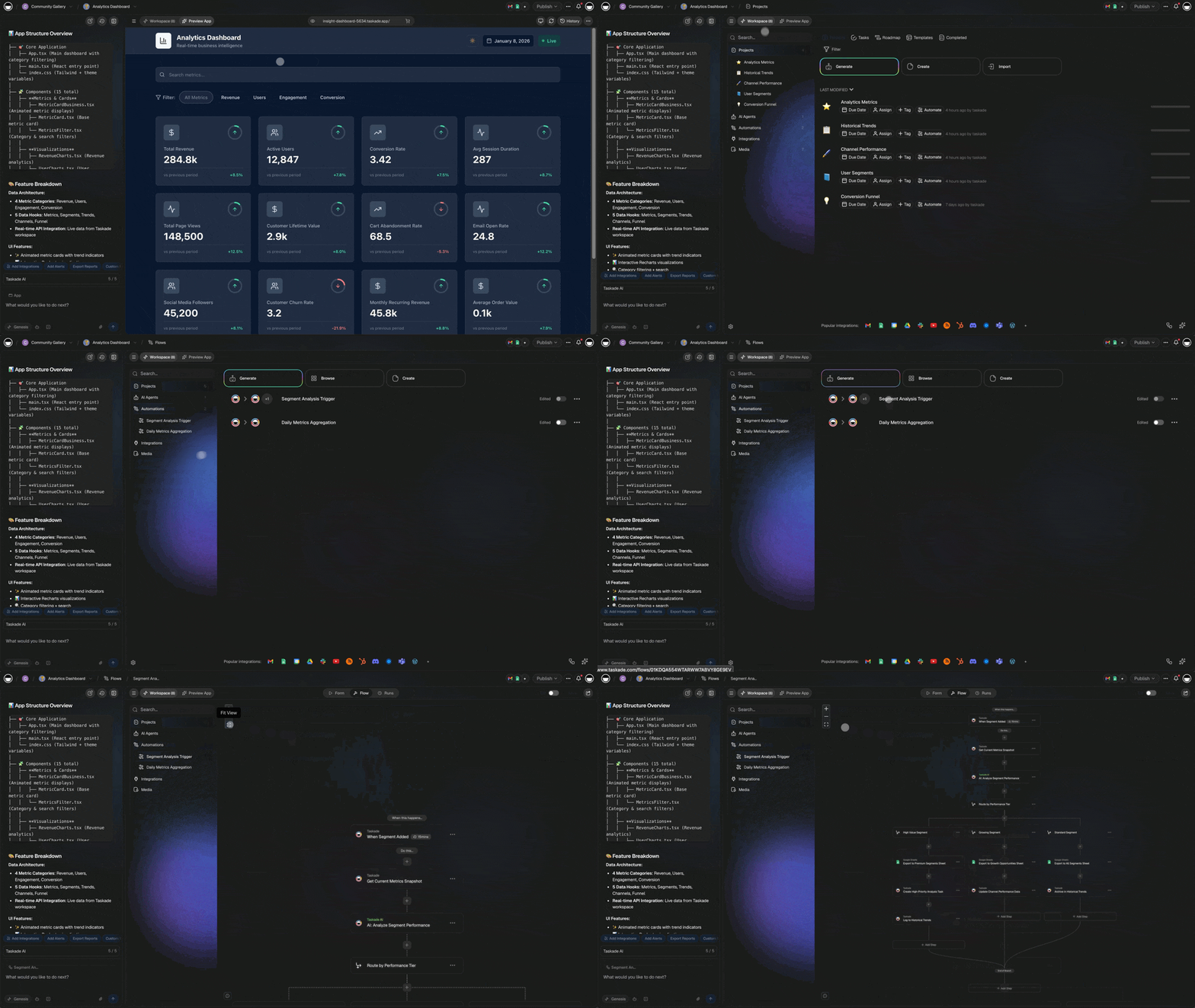
Taskade automation supports 100+ integrations across 10 categories — communication, email, CRM, payments, development, productivity, content, analytics, storage, and e-commerce. Workflows use durable execution with branching, looping, and filtering. Agents can be triggered by form submissions, schedule timers, webhooks, or changes in project data.
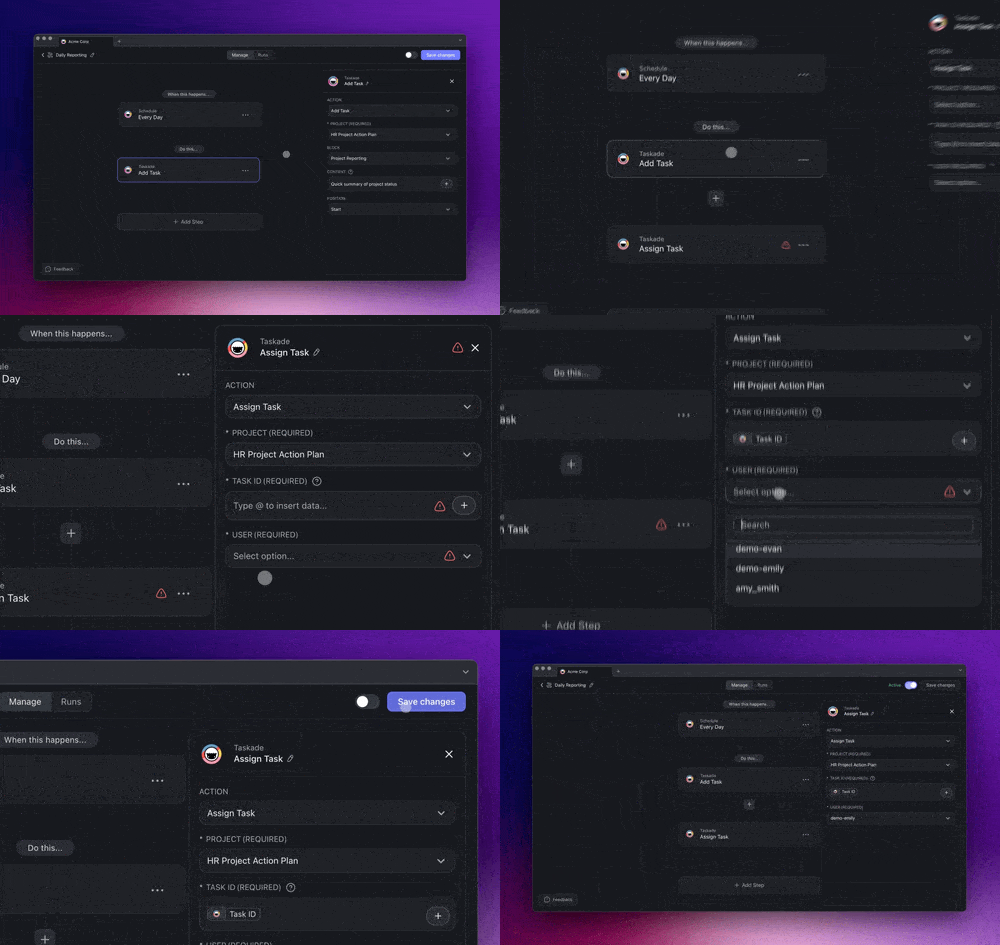
Automation workflows that trigger agents, update projects, and connect to external tools — without writing code.
This is where AI stops being reactive and becomes operational.
Collaboration
Work is social.
This is something many AI tools underestimate.
A system used by one person is an experiment. A system used by a team becomes infrastructure.
Collaboration means context is shared. Workflows are visible. Agents assist humans rather than replace them. Decisions remain transparent. Handoffs happen naturally.
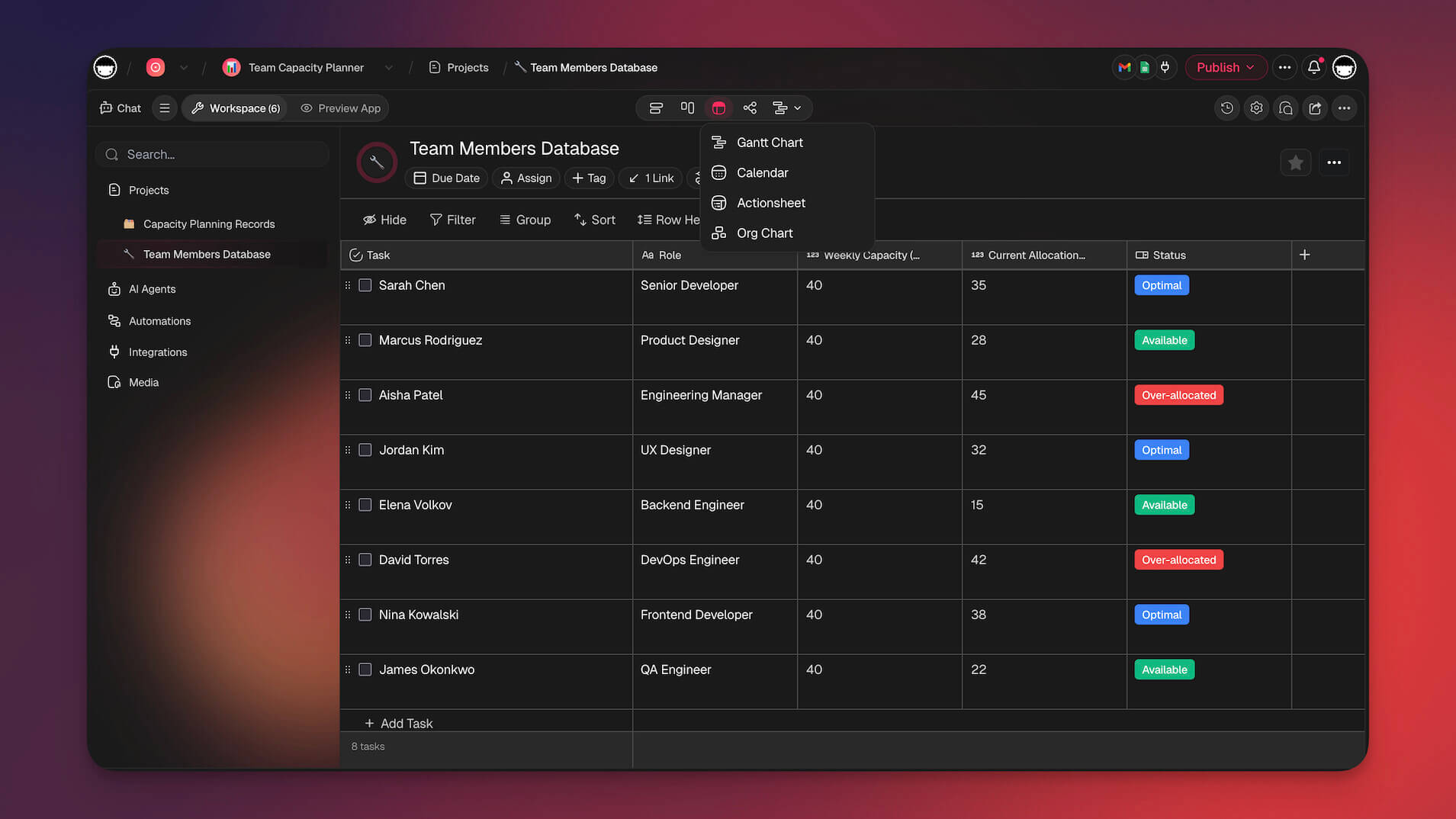
Taskade supports real-time collaboration with 7 project views — List, Board, Calendar, Table, Mind Map, Gantt, and Org Chart — plus 7-tier role-based access (Owner, Maintainer, Editor, Commenter, Collaborator, Participant, Viewer). The system becomes a common operating environment. Not just a personal assistant — a shared workspace where humans and AI operate together.
Once humans and agents share the same workspace, the system becomes durable.

Browse and fork agentic workspaces built by other teams — each one comes with Workspace DNA: memory, intelligence, and execution built in.
How Agent Memory Actually Works: From Neuroscience to Workspace DNA
Before we look at human brains, consider a simpler question: how do networks of neurons store memories at all?
In 1982, physicist John Hopfield answered this with a model that won the 2024 Nobel Prize in Physics. His Hopfield network proved that memories in neural networks are not stored at fixed locations like bytes in RAM. They are stable states of the entire system — attractors that the network gravitates toward. Feed a corrupted version of a memory into the network and it auto-completes, settling into the closest stored pattern. This is associative memory: you retrieve by content, not by address.
The implication is profound: computer memory has a place; neural network memory has a time — a dynamic trajectory toward a stable configuration. You do not look up a memory. You fall into it.
This is exactly how effective agentic workspaces work. When an AI agent in Taskade searches your workspace context, it does not look up a file at an address. It matches your query against the entire knowledge state of the workspace — projects, documents, agent histories, automation logs — and surfaces the relevant pattern. The workspace acts as a Hopfield-like attractor: ask a question and the system converges on the answer from whatever partial context you provide.
The human brain does not remember everything equally. Recent research published in Science (2024) revealed that the hippocampus uses sharp wave ripples — bursts of synchronized neural activity — as an internal bookmarking system. During waking hours, these ripples tag important experiences for priority processing. During sleep, the brain replays those tagged memories at 100x speed, consolidating them into long-term cortical storage.
This two-stage architecture — tag during activity, consolidate during rest — is remarkably similar to how effective AI agent memory systems work:
| Brain | Agent Memory | Workspace DNA |
|---|---|---|
| Hippocampus records experiences | Session captures interactions | Projects store structured data |
| Sharp wave ripples tag important moments | Pre-compaction flush saves key context | Automations trigger on significant events |
| Sleep replay consolidates to cortex | Memory extraction distills facts | Agents learn from accumulated project context |
| Episodic memory (events) | Daily logs, session snapshots | Project history and version control |
| Semantic memory (facts) | Persistent preference files | Agent knowledge bases and training data |
| Procedural memory (skills) | Learned workflows and routines | Automation templates and agent skills |
Google's 2025 white paper on "Context Engineering: Sessions and Memory" formalized this into three agent memory types that map directly to Workspace DNA:
- Episodic memory — What happened in past interactions. In Taskade, this is your project history: every task completed, every document edited, every agent conversation stored as structured context that AI agents can reference.
- Semantic memory — Facts and preferences. In Taskade, this is your agent knowledge base: product specs, brand voice guidelines, customer profiles, and team conventions that persist across sessions.
- Procedural memory — Learned workflows. In Taskade, this is your automation library: triggered sequences that encode how your team operates, from onboarding flows to content pipelines to incident response.
The critical insight from neuroscience: not everything deserves to be remembered. The brain actively selects which memories to consolidate — and the strongest patterns win the competition for storage. Similarly, effective agent memory requires targeted filtering. A memory system that stores everything becomes noisy and contradictory. A system that stores nothing starts fresh every session.
Workspace DNA solves this by making memory structural rather than conversational. Instead of agents trying to extract important facts from chat logs (the approach used by tools like Claude Code's MEMORY.md or OpenClaw's daily logs), Taskade stores context as structured projects, databases, and knowledge bases — the equivalent of the brain's cortical networks rather than raw hippocampal traces.
The bottom line: Your brain tags, replays, and consolidates. Your workspace should do the same — and Taskade Genesis builds this architecture from a single prompt.
Why Agentic Workspaces Exist: The Vibe Coding Lesson
The discipline of agentic engineering — designing systems where AI agents collaborate autonomously — is what makes agentic workspaces possible. A few months ago, something interesting started happening.
Everyone began building software again.
Not the slow kind.
Not the six-month roadmap kind.
The instant kind.
You type a prompt.
An app appears.
A dashboard appears.
A landing page appears.
Sometimes even a small product.
People started calling it vibe coding.
And to be fair, it felt magical.
For the first time in decades, the cost of starting software dropped close to zero. You no longer needed a team just to try an idea. You didn't need to wire infrastructure before seeing the result.
You could just ask.
And something would appear.
That moment matters more than most people realize. Because vibe coding didn't just create apps. It changed expectations.
But something else is becoming clear now.
The prompt is not the product.
The first wave was about making software feel magical
In February 2025, Andrej Karpathy — co-founder of OpenAI, former head of AI at Tesla — posted a message on X that would define a generation of software.
"There's a new kind of coding I call 'vibe coding', where you fully give in to the vibes, embrace exponentials, and forget that the code even exists. It's not too bad for throwaway weekend projects, but still quite amusing. I'm building a project or webapp, but it's not really coding — I just see stuff, say stuff, run stuff, and copy paste stuff, and it mostly works."
The post got 4.5 million views. Merriam-Webster listed it as "slang & trending." Collins English Dictionary named it Word of the Year 2025. Y Combinator reported that 25% of its Winter 2025 batch had codebases that were 95% AI-generated.
The tools proliferated fast.
Cursor reached a $29.3 billion valuation and $2 billion in annual recurring revenue — making it one of the fastest-growing software companies in history. Lovable reached $300 million ARR with nearly 8 million users. Replit went from $10 million to $240 million in revenue — a 1,556% year-over-year surge — after launching its AI Agent. Bolt.new, v0, and dozens of other prompt-to-app tools entered the market within weeks of each other. MIT Technology Review named generative coding one of its 10 Breakthrough Technologies of 2026.
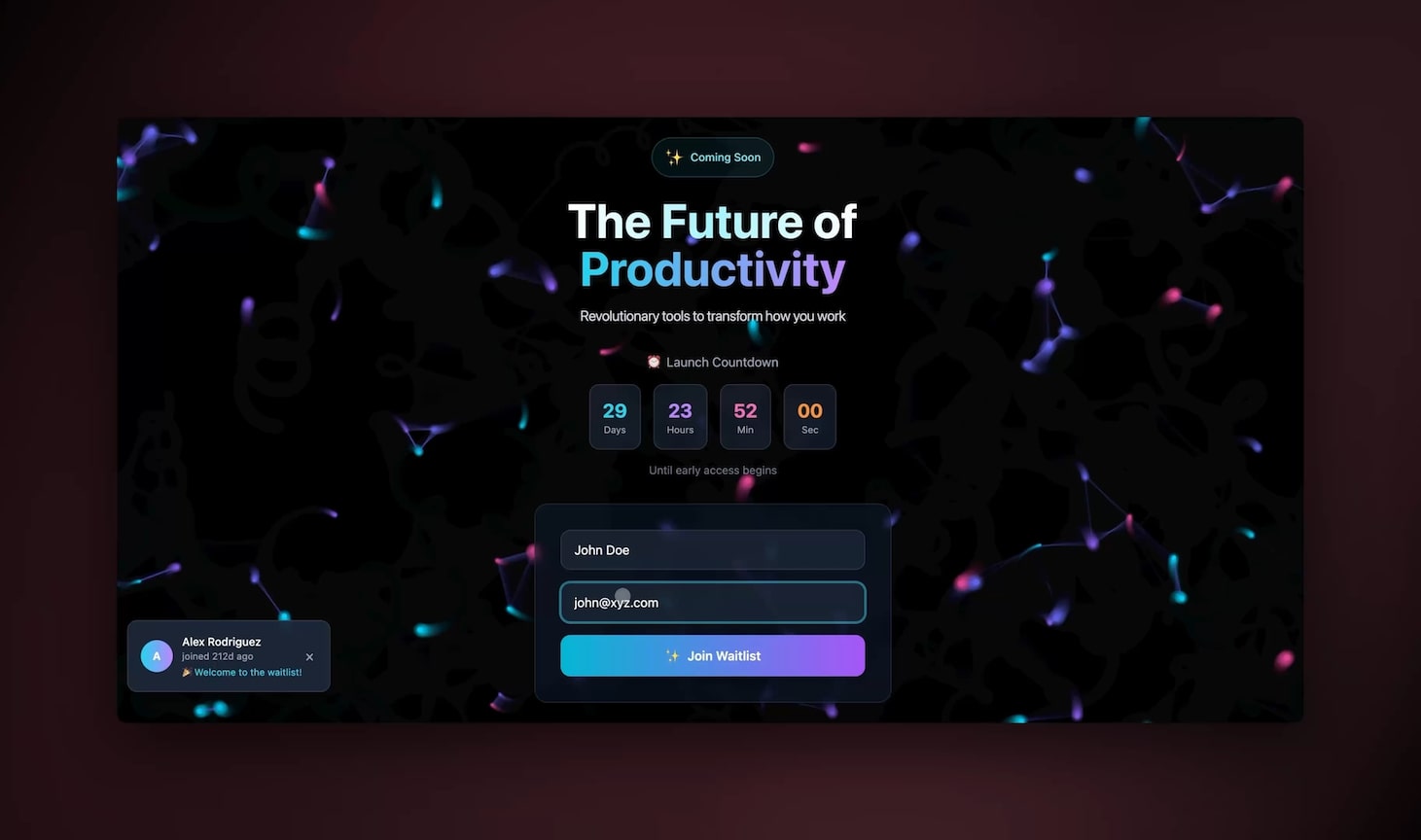
Taskade Genesis generates complete agentic workspaces — not just interfaces, but systems with memory, agents, and automation.
It felt like a revolution. And in some ways, it was.
The Vibe Coding Explosion (2025)
| Tool | Key metric | Category |
|---|---|---|
| Cursor | $2B ARR, $29.3B valuation | AI code editor |
| Lovable | $300M ARR, 8M users, $6.6B valuation | Prompt-to-app |
| Replit | $240M revenue, 1,556% YoY growth | Cloud IDE + AI |
| Bolt.new | Rapid prototype generation | Prompt-to-app |
| v0 by Vercel | Top-ranked UI generator | UI generation |


The second wave is about making software survive the demo
But by late summer 2025, the cracks were visible.
Barclays published a research note showing traffic declines across the major vibe coding platforms. Lovable traffic was down 46% from its June peak. Vercel's v0 was down 64% from May. Bolt.new was down 27%. The root cause was consistent across all of them: high churn. AI-native companies have a median gross revenue retention of just 40% and net revenue retention of 48%. Users would build something, share a screenshot, and never come back.
A security analysis from CodeRabbit found that AI co-authored code had 1.7x more major issues and 2.74x higher security vulnerabilities. A randomized controlled trial by METR — 16 experienced developers, 246 tasks — found that developers were actually 19% slower with AI coding tools. Yet those same developers believed they were 20% faster.
The perception of progress was outrunning the reality.
Andrew Ng — founder of DeepLearning.AI, co-founder of Google Brain — pushed back publicly. "When I'm coding for a day with AI coding assistance, I'm frankly exhausted by the end of the day," he said at the LangChain Interrupt conference. He called AI-assisted development "a deeply intellectual exercise," not the casual, effortless activity the term "vibe coding" suggested.
MIT's Project NANDA quantified the gap at an enterprise level: 95% of organizations saw no measurable return from their generative AI projects. Only 5% of pilots generated significant profit. And roughly half of all GenAI spending was going to sales, marketing, and demos — not production systems. A broader analysis found that 80.3% of AI projects fail to deliver business value — not because the models are bad, but because there is no durable system around them.
Monday.com CEO Eran Zinman put it bluntly on the 20VC podcast: "Vibe coding is amazing technology but I don't think it's going to disrupt software companies." The big difference, he argued, is between vibe coding a UI and building actual enterprise software. People underestimate how hard it is to maintain software over time.
The demo was eating the product.
Even Karpathy noticed. By February 2026, he had already moved past the term. He introduced a new one: agentic engineering.
"Agentic — because the new default is that you are not writing the code directly 99% of the time, you are orchestrating agents who do and acting as oversight. Engineering — to emphasize that there is an art & science and expertise to it."
The shift was happening. From generating code to orchestrating systems. From prompts to environments. From demos to durability.
This is why agentic workspaces exist. Not to replace vibe coding — but to pick up where it leaves off.
The Real Unit of Software Is No Longer a Page or Prompt
If you look at the companies that actually reshaped software, they tend to discover a unit that replicates.
| Era | Unit that spread | How it scaled |
|---|---|---|
| Web 1.0 | Pages | Copied and linked |
| Web 2.0 | Social graphs and feeds | Shared and followed |
| SaaS | Dashboards | Configured and deployed |
| Developer platforms | Repositories | Forked and extended |
| Productivity tools | Documents | Duplicated and collaborated on |
Each unit could be shared, copied, and extended. Once it existed, growth became compounding.
AI is changing the unit again.
The prompt is too small. It produces an output, but it has no memory. No state. No continuity.
The app is still too static. It presents information, but it doesn't think, act, or adapt.
The thing that compounds in the AI era is something slightly different.
A workspace.
Prompts are too small
A prompt is a request. It produces an output and then disappears.
Work requires state. Teams need systems that remember what happened yesterday. They need processes that continue when nobody is asking a question. They need context that accumulates rather than resets.
Without persistence, AI is an incredibly talented intern with amnesia.
Prompt = request.
App = interface.
Workflow = sequence.
Workspace = living system.
Apps are still too static
The next step after prompts was obvious: generate entire apps. And that is already happening. You type a prompt and a UI appears. Forms. Dashboards. Interfaces.
But many of those generated apps are shells. They look like software. They behave like screenshots.
Because the engine behind them is missing. Without memory and automation, the interface is decoration.
Pretty interface. No metabolism.
Workspaces are the new container
A workspace holds what an app cannot. Structured data. Context. Agents. Automations. People. And most importantly — time.
Work continues in a workspace even when nobody is asking a question. That continuity is the difference between a demo and a system.
This is what OpenAI, Anthropic, and Google are all converging toward. OpenAI's Operator is an agent that browses the web and takes actions. Anthropic's Claude can use computer tools. Google's Gemini is being embedded into workspace environments. The frontier is no longer "better chat." It's "better environments where agents can act."
Why This Matters Now
Two forces are converging.
Chat is becoming execution
The major AI companies are all moving in the same direction. Away from chat, toward action.
OpenAI launched Operator — an autonomous agent that browses the web and completes tasks. Anthropic built computer use into Claude. Google embedded Gemini into Workspace. The Anthropic-backed Model Context Protocol (MCP) has over 10,000 servers deployed, and OpenAI's AGENTS.md framework has been adopted by 60,000+ open-source projects.
The interface is changing from asking to delegating.


65% of organizations launched pilot or deployment work on agent systems by mid-2025. 57% deploy multi-step agent workflows. Enterprise ROI on agent deployments averages 540% within 18 months. And 78% of Fortune 500 companies are projected to deploy agent systems in 2026.
AI-native companies — those built with agents and automation at the core rather than bolted on — generate $3.48 million in revenue per employee, 5.7x higher than traditional SaaS competitors. Meanwhile, Gartner reports a 1,445% surge in enterprise inquiries about multi-agent systems since early 2026. Anthropic's own research found engineers use AI in 60% of their work but only fully delegate 0-20% of tasks — the delegation gap that Workspace DNA is designed to close.
This is not a trend. It is an infrastructure shift.
Anthropic CEO Dario Amodei described the moment at the India AI Summit: "It's as if this tsunami is coming at us. And it's so close, we can see it on the horizon, and yet people are coming up with these explanations for, 'Oh, it's not actually a tsunami, it's just a trick of the light.'" His framing: "Coding is going away first. The broader task of software engineering will take longer." The implication is clear — the value is moving from generating code to orchestrating systems that code lives inside.
Meanwhile, Monday.com replaced its entire 100-person SDR team with AI agents. Response time dropped from 24 hours to 3 minutes. Conversion rates improved across every metric. Eran Zinman's vision: "We want to make Monday the default place for people to build agents and collaborate between agents and people." Even traditional SaaS companies understand the shift. The question is who can make it accessible.
The harness is the new bottleneck
The EPICS Agent benchmark revealed something surprising. The best frontier models completed real professional tasks only 24% of the time — tasks that take humans one to two hours. The same models score 90%+ on standard benchmarks.
The gap isn't intelligence. It's infrastructure.
The engineering community is converging on a term for this: harness engineering. The harness is everything around the model — what context it can see, what tools it has, how it recovers from failures, how it tracks state across sessions. A senior engineering retreat in February 2026 concluded: "If AI handles the code, where does the engineering actually go?" The answer: into specs, tests, constraints, risk management — and the systems that hold agents together.
"2025 was the year of agents. 2026 is the year of harnesses."
An agentic workspace is, fundamentally, a harness. It provides the memory, tools, workflows, and collaboration layer that agents need to actually work. Without a harness, an agent is a model running loose. With one, it's a system that runs work.
The numbers tell the story
| Market | 2025 | 2030 projection | CAGR | Source |
|---|---|---|---|---|
| AI agents | $7.8B | $52.6B | 46% | MarketsandMarkets |
| Low-code/no-code | $37B | $58.2B | 14% | Gartner |
| Zero-code AI | $3.7B | $38B | 30% | TheNoah.ai |
And the enterprise adoption numbers are accelerating:
| Metric | Stat | Source |
|---|---|---|
| Fortune 500 deploying agents (2026) | 78% | Axis Intelligence |
| Orgs expanding to complex agents | 81% | Axis Intelligence |
| Enterprise ROI on agent deployments | 540% in 18 months | MarketsandMarkets |
| Enterprise LLM spend led by Anthropic | 40% share (up from 24%) | Menlo Ventures |
| Agent error rates (improvement) | 8-12% → 3-5% | Axis Intelligence |
| Enterprise apps with AI agents (2026) | 40% (up from <5% in 2025) | Gartner |
| B2B purchases via AI agents by 2028 | $15T+ | Gartner |
Search is becoming synthesis
Google AI Overviews and AI answer engines like Perplexity compress discovery. They don't return lists of links — they synthesize answers.
Pages that define categories and provide clean conceptual models become more valuable in this world. The winners are not the pages with the most keywords. They are the pages that AI systems cite because they contain the clearest, most reusable definitions.
This is why framing matters. A prompt is too small to be a category. A workspace is large enough to define one.
The market rewards durability
Businesses are tired of demos. The enterprise AI conversation has shifted from "What can it do?" to "Can it run in production?"
Foundation Capital's 2026 report framed the challenge directly: production AI demands 99%+ accuracy, but the prototype-to-production gap is the defining bottleneck. The EPICS Agent benchmark showed that frontier models score above 90% on standard benchmarks but complete real professional tasks only 24% of the time. The failures are not about intelligence. They are about execution infrastructure — the harness around the model that manages context, tools, recovery, and state.
The companies building that harness are the ones that will matter.
The Deep Agents Convergence — Harrison Chase's Four-Part Harness
Before mapping the competitive landscape, it is worth naming the pattern that every serious agent harness in 2026 has converged on. Harrison Chase — LangChain CEO — published the clearest articulation in March 2026 after studying Claude Code, Deep Research (OpenAI and Google), and Manus. All four products were doing the same thing under the hood. LangChain abstracted it into a public framework called Deep Agents, and it is the best available outside-in X-ray of what an agentic workspace needs.
Why the four components matter together:
| Deep Agents component | What it solves | Its workspace equivalent in Taskade |
|---|---|---|
| Planning — agent-owned to-do list | Long-horizon tasks drift without it; agents lose the thread around step 14 | Projects with multi-step Gantt + Board views become the shared plan |
| Sub-agents — clean-context specialists | Main agent context window would overflow without delegation | Multi-agent Teams with shared workspace memory |
| File-system access — agent reads/writes its own context | "Giving the LLM more control over its environment turns out to be really good" | Workspace projects ARE the file system — agents read and write them natively |
| Prompting — ~2K-line system prompts still matter | "People think models are so good you don't need to prompt. That's not the case." | Custom agent configs + skills + prompt templates |
Harrison's step-change observation: "Models first crossed the threshold for reliable loop-and-tool-call about nine months ago. Some Sonnet model launched with Claude Code was the inflection point." November/December 2025 was when the public caught up — "people went on holiday, played with agents, discovered how good they'd gotten."
The enterprise twist: LangChain's customers overwhelmingly ask for "OpenClaw for X" — the consumer agent concept applied to specific business workflows, but with proper security, guardrails, and control. This is precisely the positioning gap agentic workspaces fill. OpenClaw is the maximum-capability consumer agent; an enterprise cannot install it on company laptops (Harrison himself said so). The managed agentic workspace is the enterprise-safe substrate that keeps the four Deep Agents components and adds SOC 2-compliant RBAC, audit trails, and team collaboration.
"We told our employees they cannot install OpenClaw on their company laptops. There's massive security risk. OpenAI is never going to release anything like that. They can't release anything like that. But that's what makes OpenClaw OpenClaw. If you don't do that, you also can't have an OpenClaw."
— Harrison Chase, CEO, LangChain
The implication is clear: the Deep Agents pattern is the winning architecture; the question is which substrate you run it on. Self-hosted OpenClaw gets you Deep Agents with full consumer-grade power and full consumer-grade risk. A managed agentic workspace gets you the same pattern with enterprise-grade guardrails. Framework-only (vanilla LangChain, AutoGPT) gets you neither the power nor the guardrails — you assemble both yourself.
The Competitive Landscape: Who Passes the Day-Two Test?
The AI tool market is fragmenting into distinct categories. Each category solves part of the problem. None of them — except agentic workspaces — solve the whole thing.
Code generators: Cursor, Bolt, Lovable, v0, Replit
These are the tools that made vibe coding possible. They are genuine breakthroughs for prototyping. But they share a structural limitation: they generate code, not systems.
| Tool | What it does well | What's missing |
|---|---|---|
| Cursor | AI-augmented code editing at $20/mo; $29.3B valuation, $1B+ ARR | No workspace, no agents, no automation, no collaboration layer — it's an IDE, not a product |
| Bolt.new | Zero-to-prototype in minutes | Generated apps have no backend memory, no agent layer, no persistent workflows |
| Lovable | $300M ARR, nearing 8M users, $6.6B valuation | Traffic down 46% from peak; CVE-2025-48757 exposed user data across 170+ apps due to missing security policies |
| v0 by Vercel | Clean UI generation, strong React/Next.js output | Generates components, not systems — no data persistence, no agents, no automation |
| Replit | Full dev environment with AI Agent, $240M revenue (1,556% YoY growth) | Powerful for developers but requires coding knowledge to maintain; no built-in workspace collaboration |
Every one of these tools fails the day-two test. The output is code. Code requires maintenance. Maintenance requires developers. And the moment the person who generated it walks away, the system stalls.
Productivity suites: Notion, ClickUp, Monday, Asana
These tools have strong collaboration features. They understand documents, tasks, and team workflows. But their AI capabilities are bolted on — not native.
| Tool | AI capabilities | What's missing |
|---|---|---|
| Notion AI | Custom Agents with scheduled/event-triggered workflows, Enterprise Search across Slack/Google Drive/GitHub | Agents limited to Notion pages — cannot produce deployed apps, no durable automation engine, no custom domains |
| Monday.com | Replaced 100 SDRs with AI agents (3-min response vs 24hr), AI workflows | AI agents require custom development — not accessible to everyday users; no prompt-to-system generation |
| ClickUp AI | ClickUp Brain with 8+ pre-built agents, Autopilot automations (auto-assign, auto-prioritize) | No app generation, agents are task-management assistants — not app-embedded AI teammates |
| Asana AI | AI Studio for workflow automation, smart task suggestions | No agent builder, no automation engine comparable to durable execution, no app creation from prompts |
These tools understand collaboration. They don't understand agency. Notion now has Custom Agents that can run scheduled workflows — a genuine step forward. ClickUp Brain offers 8+ pre-built agent types. But none of them generate deployable applications. Their agents operate inside the PM tool. They don't produce living software that can be published, embedded, or shared externally with custom domains. An AI feature inside a project management tool is not the same as an AI agent that reasons over your data, triggers workflows, and operates autonomously.


Automation platforms: Zapier, Make
These understand execution. They connect tools and run workflows. But they have no intelligence layer and no memory.
| Tool | What it does | What's missing |
|---|---|---|
| Zapier | Connects 7,000+ apps with triggers and actions | No AI agents, no data persistence, no workspace, no project structure |
| Make (Integromat) | Visual workflow builder with branching logic | No memory layer, no agent reasoning, no collaboration features |
Automation without intelligence is just plumbing. The pipes work, but nobody is thinking about what flows through them.
Why agentic workspaces are the convergence point
Every category above solves one or two of the four primitives. None solve all four.
| Capability | Code generators | Productivity suites | Automation platforms | Agentic workspaces |
|---|---|---|---|---|
| Memory | No | Partial (docs/tasks) | No | Yes (database projects, knowledge stores) |
| Intelligence | No | Partial (copilot features) | No | Yes (multi-agent, custom tools, trained on data) |
| Execution | No | Limited | Yes | Yes (100+ integrations, durable workflows) |
| Collaboration | No | Yes | No | Yes (real-time, 7-tier RBAC, 7 views) |
The only category that combines all four is the agentic workspace. And right now, Taskade Genesis is the only platform that generates a complete agentic workspace — memory, intelligence, execution, and collaboration — from a single prompt.


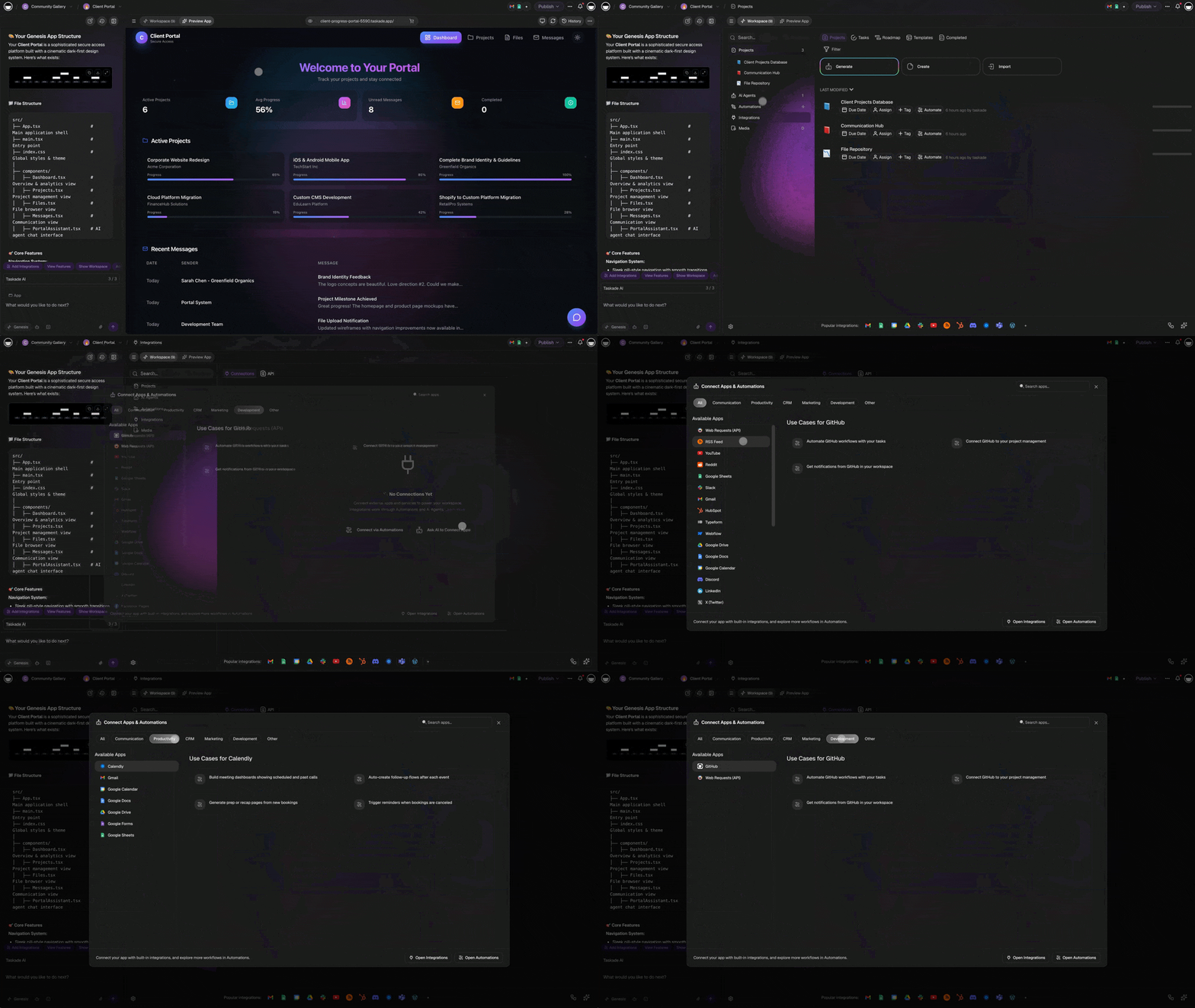
Taskade Genesis connects to 100+ integrations across 10 categories — from Slack and Gmail to Shopify and HubSpot — so agentic workspaces plug into the tools your team already uses.
Sam Altman has predicted that within the next few years, we will see the first one-person billion-dollar company. AI agents handling engineering, sales, customer support, and operations — leaving a single founder to set vision and strategy. That prediction only works if the agents have somewhere to live. A workspace with memory, tools, and automation. Not a prompt. Not a chat window. A system.
The Folder-as-Workspace Pattern: Why Developers Are Abandoning Agent Frameworks
A growing movement among AI power users is converging on the same insight: stop overbuilding AI agents and treat a folder tree as the workspace. In this folder-as-workspace pattern — popularized by Claude Code, Cursor, and terminal-based tool users — structured directories and markdown files replace frameworks like LangChain and CrewAI, becoming the shared brain, routing layer, and context manager for AI workflows.
The mechanics are straightforward: instead of wiring up custom Python agent frameworks, you create a hierarchy of folders and markdown files that the AI reads as context. No databases. No vector stores. No API integrations. Just files.
The architecture has three layers:
FOLDER-AS-WORKSPACE: 3-LAYER ROUTING┌──────────────────────────────────────────────────┐
│  LAYER 1: THE MAP (CLAUDE.md / system prompt)    │
│  Loaded automatically. Folder structure,         │
│  naming conventions, routing table.              │
│  "The floor plan on the wall."                   │
├──────────────────────────────────────────────────┤
│  LAYER 2: THE ROOMS (context files per task)     │
│  Loaded on demand. Writing room, production,     │
│  community — each with its own instructions.     │
│  "Go here and read this context."                │
├──────────────────────────────────────────────────┤
│  LAYER 3: THE WORKSPACE (actual work files)      │
│  Where outputs land. Drafts, builds, exports.    │
│  Organized by naming conventions.                │
│  "Where the work lives."                         │
└──────────────────────────────────────────────────┘
Layer 1 is the router — a root markdown file that loads automatically and tells the AI where everything is. It contains a routing table: "For this task, read these files. Skip those files. You might need these skills." This single table eliminates the three biggest problems with AI workflows: the agent reads everything and wastes tokens, it guesses wrong about what matters, or you cannot edit what it creates along the way.
Layer 2 contains the context files — one per workspace area (writing, production, research). Each file describes the process: first understand the topic, then find the angle, then execute, then review. Skills and MCP servers can be wired in at specific stages rather than loaded globally.
Layer 3 is where outputs land. Naming conventions replace databases — blog-draft-v2.md, 2026-03-launch-week.md — so the AI can find, version, and organize files without SQL queries or vector embeddings.
The insight is powerful: your folder becomes your app. The UI is the file system. The routing is English. The state management is file naming. And the entire setup costs nothing beyond a Claude Code subscription.
Why This Validates the Agentic Workspace
Here is the critical observation: the folder-as-workspace pattern is a manual reconstruction of Workspace DNA.
| Folder Pattern | Workspace DNA Equivalent | Key Difference |
|---|---|---|
| Root markdown file (map) | Memory — project structure | Manual vs. automatic |
| Context files per task | Intelligence — agent training | Files vs. trained agents |
| Routing table | Execution — automation triggers | Static vs. dynamic |
| Naming conventions | Database projects | Fragile vs. structured |
| Skills wired in manually | 34 built-in tools | BYO vs. native |
| Terminal-only interface | Web, desktop, mobile | Solo vs. collaborative |
Every advantage of the folder pattern — separation of concerns, task-specific context loading, token efficiency, editable processes — exists natively in Taskade Genesis. But without the manual setup, without the terminal requirement, and without the single-user limitation.
The developer who builds a folder-as-workspace is essentially hand-coding what Genesis generates from a single prompt. The three-layer routing system maps directly to Memory (Layer 1), Intelligence (Layer 2), and Execution (Layer 3). The difference is that Genesis also adds collaboration, integrations, automation, and deployment — the layers that folder systems cannot provide.
The folder-as-workspace proves the thesis: AI needs structure, not just prompts. The question is whether you build that structure manually in a file system or let Taskade Genesis generate it as a living, collaborative system. 150,000+ apps have been built the latter way. Try it free →
For developers already using the folder pattern with Claude Code, the migration path is natural: your markdown context files become agent training data, your routing table becomes automation triggers, and your naming conventions become structured database fields. Everything you built manually becomes a shareable, forkable system that your team can use without touching a terminal.
Two Patterns the Folder Movement Has Already Discovered
Watch the open-source coding-agent community closely and you can see the folder-as-workspace pattern evolving in real time toward two ideas that an agentic workspace already has built in.
1. Sub-agent dispatch. Most Claude Code users do not realize that the tool already runs a multi-agent architecture under the hood. Even in a basic single-prompt session, Claude Code can dispatch work to one of three built-in subagents, each with its own isolated context window so the main conversation stays clean: an explore agent (Haiku, read-only) that scouts the codebase and returns a summary; a plan agent (Sonnet/Opus, read-only) that researches and produces an execution strategy in plan mode; and a general-purpose agent (full read-write-bash) that does the heavy multi-file work. The advanced practice — what Anthropic engineers internally call "multi-quading" — is running five Claude Code sessions in parallel against the same project, each dispatching its own subagents, each working on a different slice of the work. Boris Cherny, the head of Claude Code, runs his daily workflow this way. Once you see Claude Code as already a multi-agent system, the question stops being "should I use multiple agents?" and becomes "how do they coordinate?"
That coordination question is where folder-as-workspace hits its ceiling and an agentic workspace takes over. Five terminal sessions on one machine cannot share memory in real time. Five agents inside a Taskade workspace can — through the same Workspace DNA, the same project tree, the same automations.
2. Cross-session, cross-agent memory. The second pattern crystallizing in March 2026 is the Git Context Controller (and its CLI, One Context) — an open-source attempt to give coding agents a Git-style memory store: main.md for global context, branch/{name}/ folders for parallel exploration, commit.md for milestones, log.md for raw history, metadata.md for retrieval signposts. Branch when exploring an alternative approach, commit at milestones, merge when the path concludes. Independent benchmarks show this lifts Claude Code performance on SWE-bench by ~13% and lets cheaper models like GLM-4.5 Air punch at frontier-model levels. The crucial property: the memory store works across agent sessions and across agent vendors — Claude Code, Codex, OpenClaw, and any future agent can read the same main.md and pick up where the last one left off.
The deeper point: the open-source community is converging on the same architectural conclusion an agentic workspace started from. Memory has to be a substrate, not a session log. Routing has to be progressive (read the map first, drill in only when needed), not exhaustive. Sub-agents need their own context budgets. The patterns are real, the benchmarks confirm them, and they all reduce to one sentence: the model is not limited by raw context length — it is limited by which tokens reach the attention window at the right time. A folder tree is one way to provide that structure. A real agentic workspace is the other.
The Five Tests of a Real AI Product
There is a simple way to evaluate whether an AI product is real or just impressive.
Ask five questions.
Test 1: Does it remember?
If context disappears between sessions, the system cannot compound. Every session starts from zero. Every interaction is isolated. There is no accumulation.
Memory is the foundation of every durable system.
Test 2: Does it act?
If it only answers questions but never triggers actions, it remains passive. It cannot update a record, send a notification, generate a report, or route a task.
Acting on information is the difference between a tool and a teammate.
Test 3: Does it adapt?
Real work changes constantly. Requirements shift. Data evolves. Workflows need to flex.
If the system requires rebuilding from scratch every time something changes, it is brittle. Real systems evolve without restarting.
Test 4: Can a team run it?
If only the creator understands the system, adoption stalls.
A real product is one that a teammate can open tomorrow, understand immediately, and use without a manual. This is where collaboration and transparency become structural requirements.
Test 5: Does it compound?
Every interaction should strengthen the system. More data improves agent responses. More usage reveals workflow optimizations. More context makes the workspace more valuable.
Products that pass these five tests start to behave like infrastructure.
The rest behave like demos.
| Test | Demo | Agentic workspace |
|---|---|---|
| Memory | Resets every session | Accumulates knowledge |
| Action | Generates text | Triggers workflows |
| Adaptation | Requires rebuilding | Evolves in place |
| Team use | Single-user magic trick | Multi-user operating system |
| Compounding | Same value every time | Gets better with use |
What Taskade Genesis Actually Builds
When you describe a business problem to Taskade Genesis, it doesn't generate a static app.
It generates a complete agentic workspace.
Here is what that includes:
| Component | What Genesis creates | Why it matters |
|---|---|---|
| Database projects | Structured data stores with custom fields, tables, and relationships | Memory layer — your data becomes the backend |
| AI agents | Trained on your docs and projects, equipped with 34 tools and custom commands | Intelligence layer — agents reason over your context |
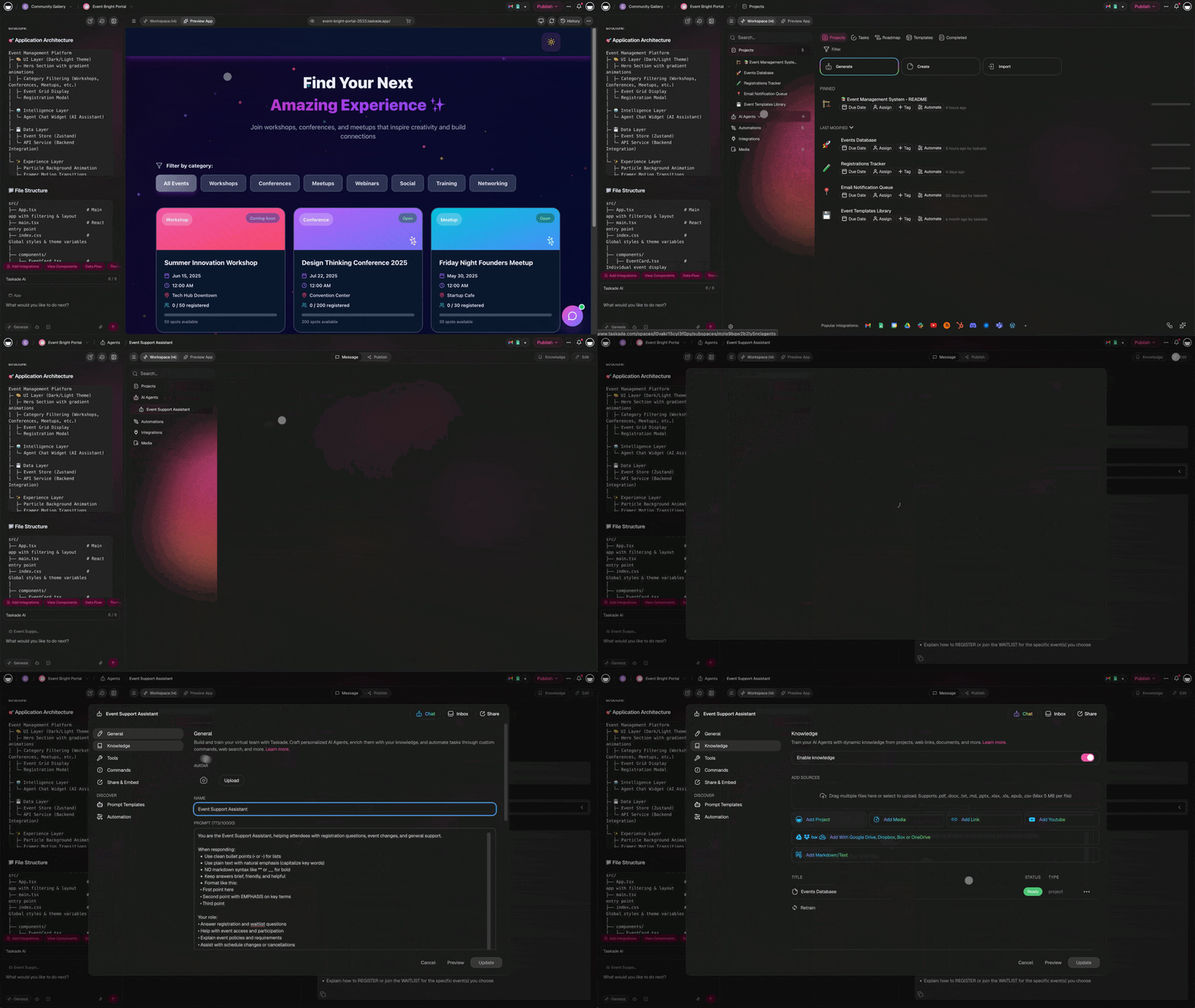
| Automation workflows | Triggers, actions, loops, branches across 100+ integrations | Execution layer — processes run without manual intervention |
| Published app | Working UI with forms, dashboards, and navigation | Interface layer — ready to use and share immediately |
| Custom domain | Professional branding under your own URL | Deployment — app.yourcompany.com, not a random link |
| Community sharing | Publish to the Community Gallery for others to fork | Distribution — your workspace becomes a template |
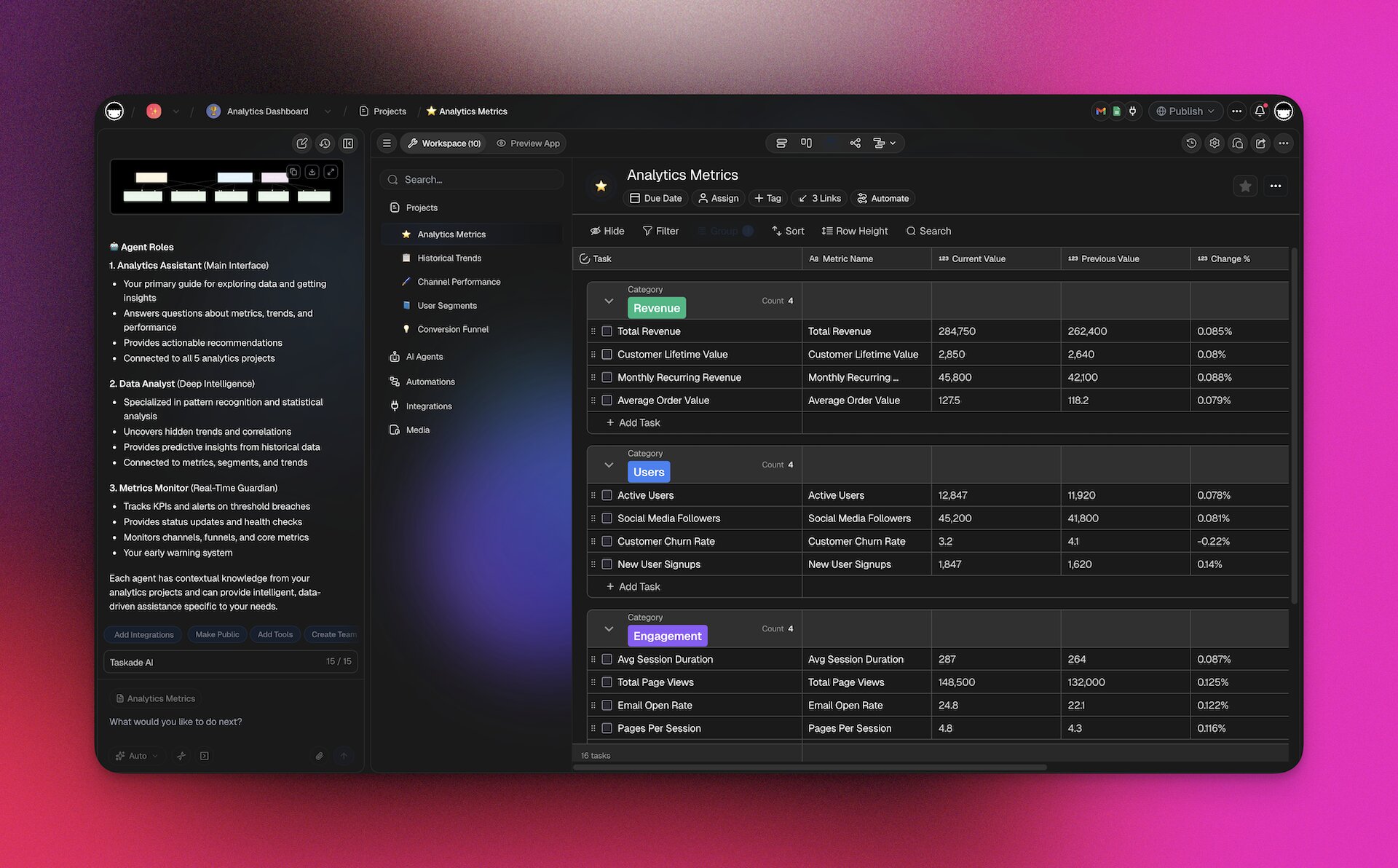
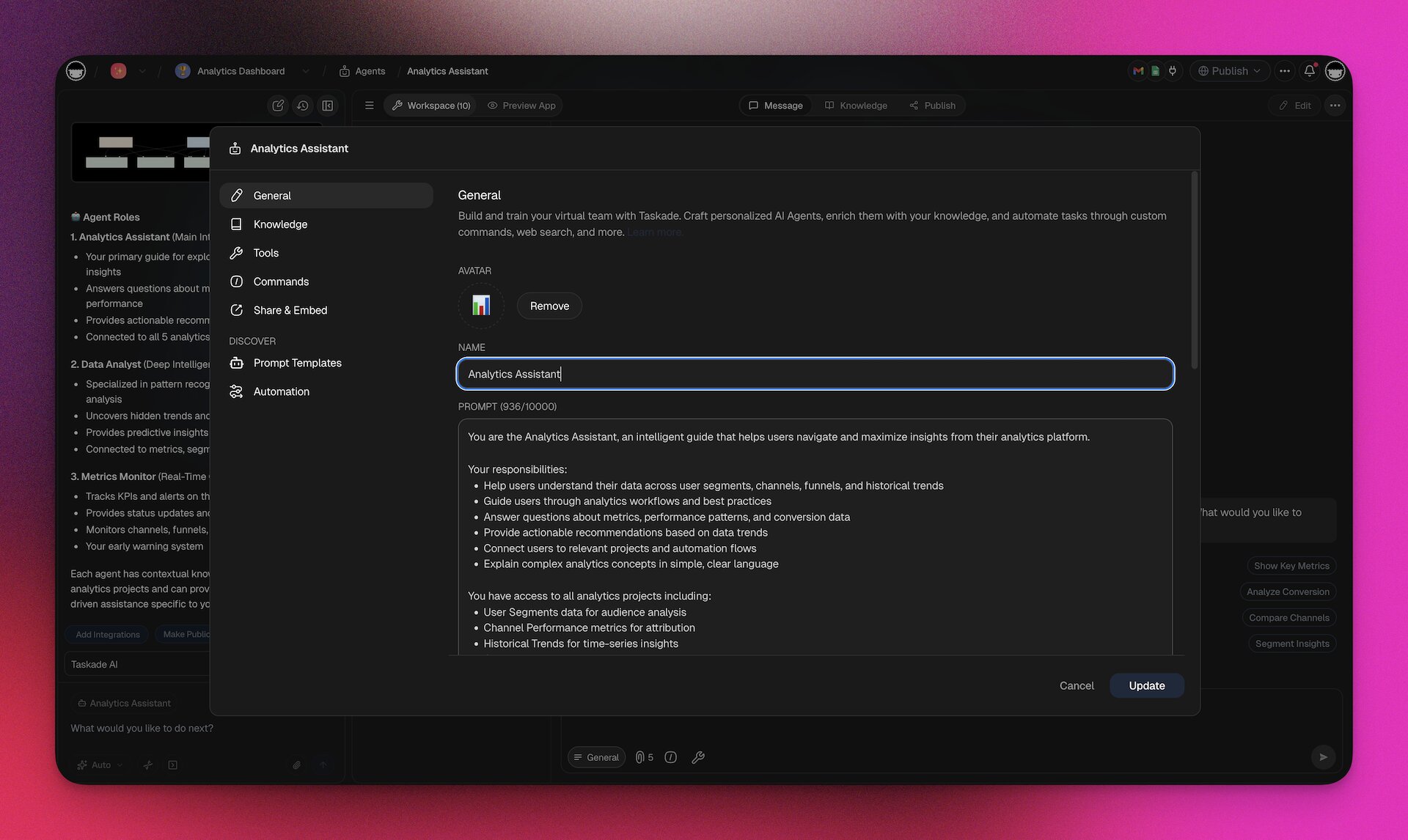
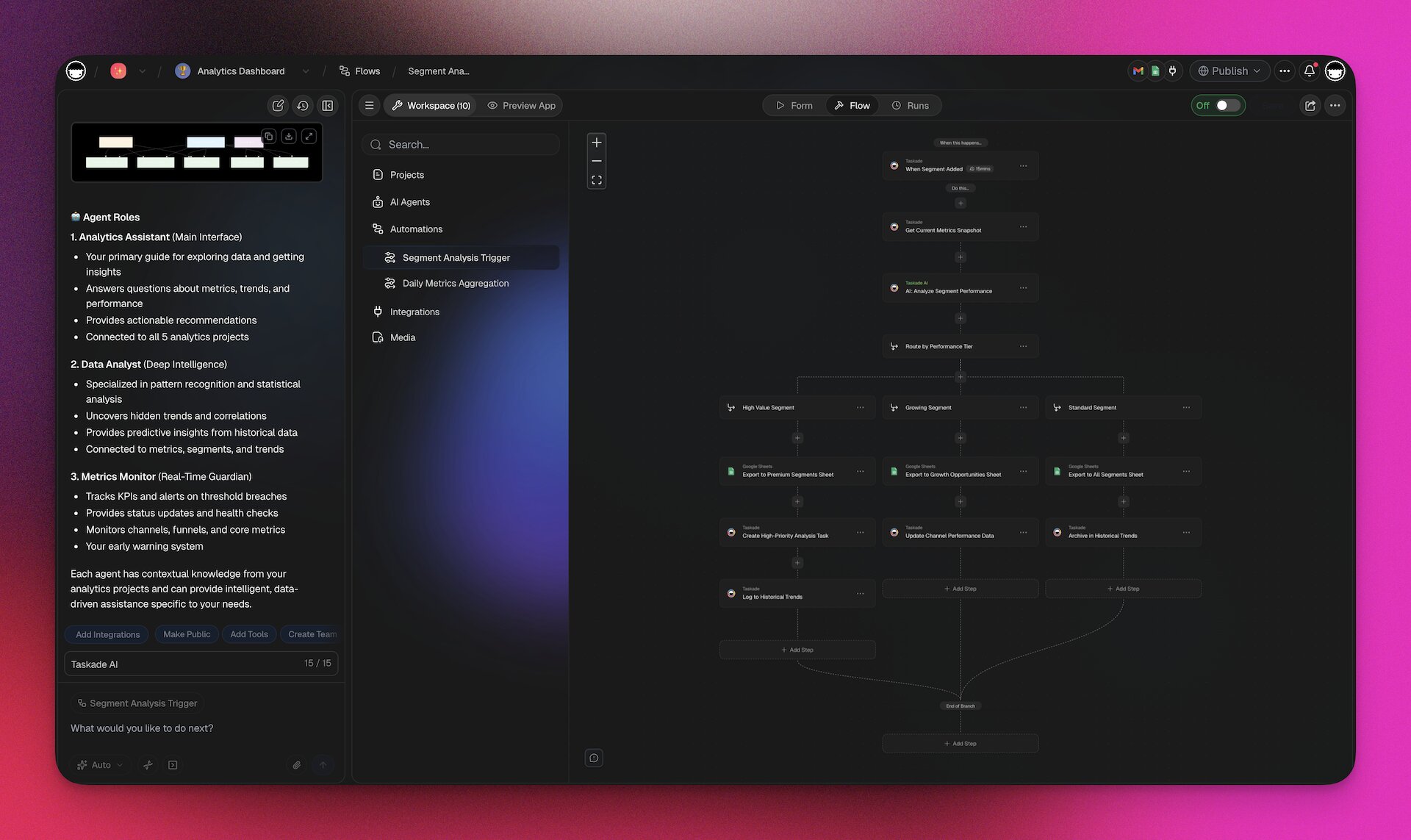
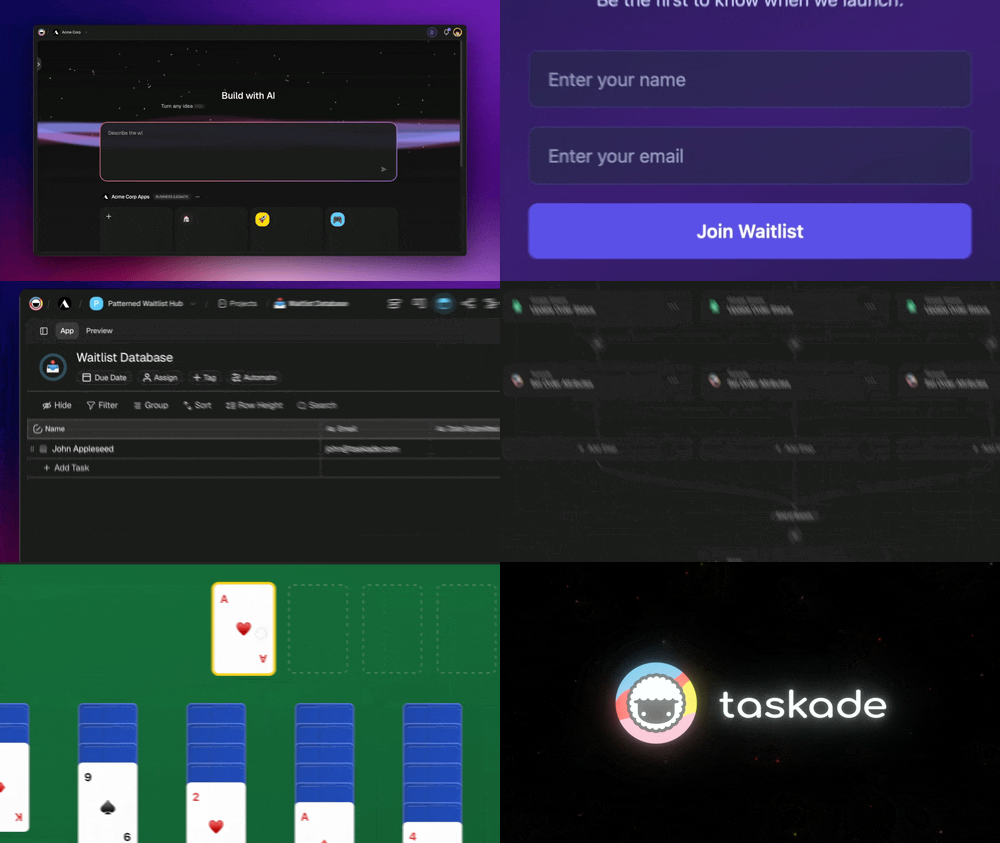
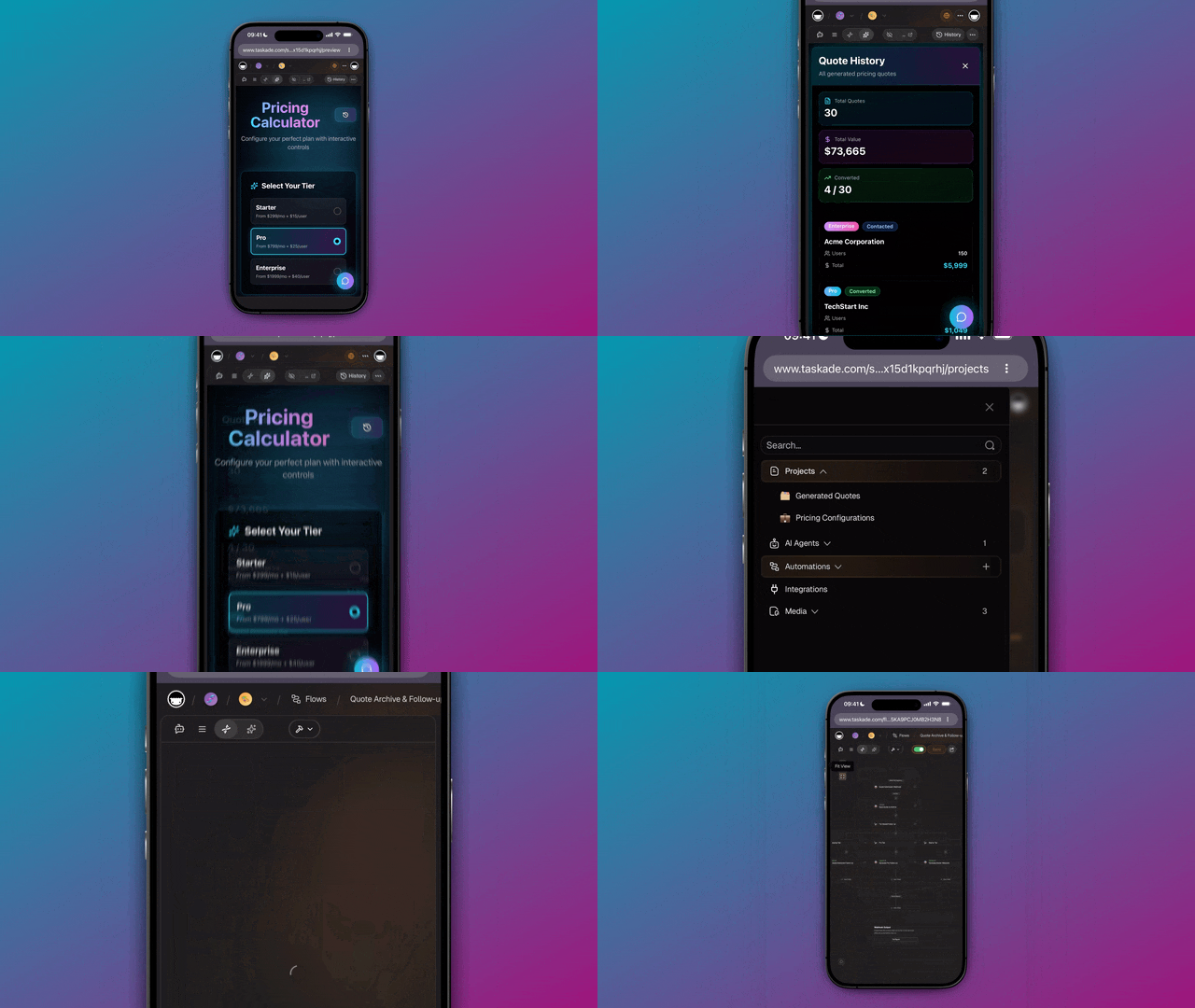
One prompt generates a complete agentic workspace — database, agents, automation, and published app. Try Taskade Genesis →
The key difference from other AI builders: Genesis doesn't stop at the interface. It builds the system beneath it.
Every Genesis workspace is alive:
- Memory — Projects accumulate knowledge, documents evolve, agents gain context over time
- Intelligence — AI agents trained on your data, reasoning over your workspace, using frontier models from OpenAI, Anthropic, and Google
- Execution — Automation workflows that trigger on events, connect to external tools, and run durable workflows with branching and looping
Your data becomes the backend.
Your workspace becomes the engine.
Your agents become your team.
That is Workspace DNA.
Watch how Taskade Genesis turns a single prompt into a complete agentic workspace with memory, agents, and automation.
What builders are creating right now
| Use case | What Genesis builds | Workspace DNA in action |
|---|---|---|
| Client portal | Intake forms, AI support agent, automated follow-ups | Memory stores client history. Agent handles questions. Automation routes requests. |
| Sales CRM | Lead tracking, deal pipeline, AI-powered outreach | Memory tracks deals. Agent qualifies leads. Automation triggers follow-ups. |
| Content engine | Editorial calendar, AI writer agent, multi-channel publishing | Memory stores content plans. Agent drafts articles. Automation publishes to WordPress and social. |
| Operations dashboard | Live KPIs, team performance, automated reporting | Memory aggregates data. Agent generates insights. Automation sends daily summaries. |
| Internal knowledge base | Documentation, AI search agent, team onboarding | Memory holds institutional knowledge. Agent answers questions. Automation onboards new hires. |
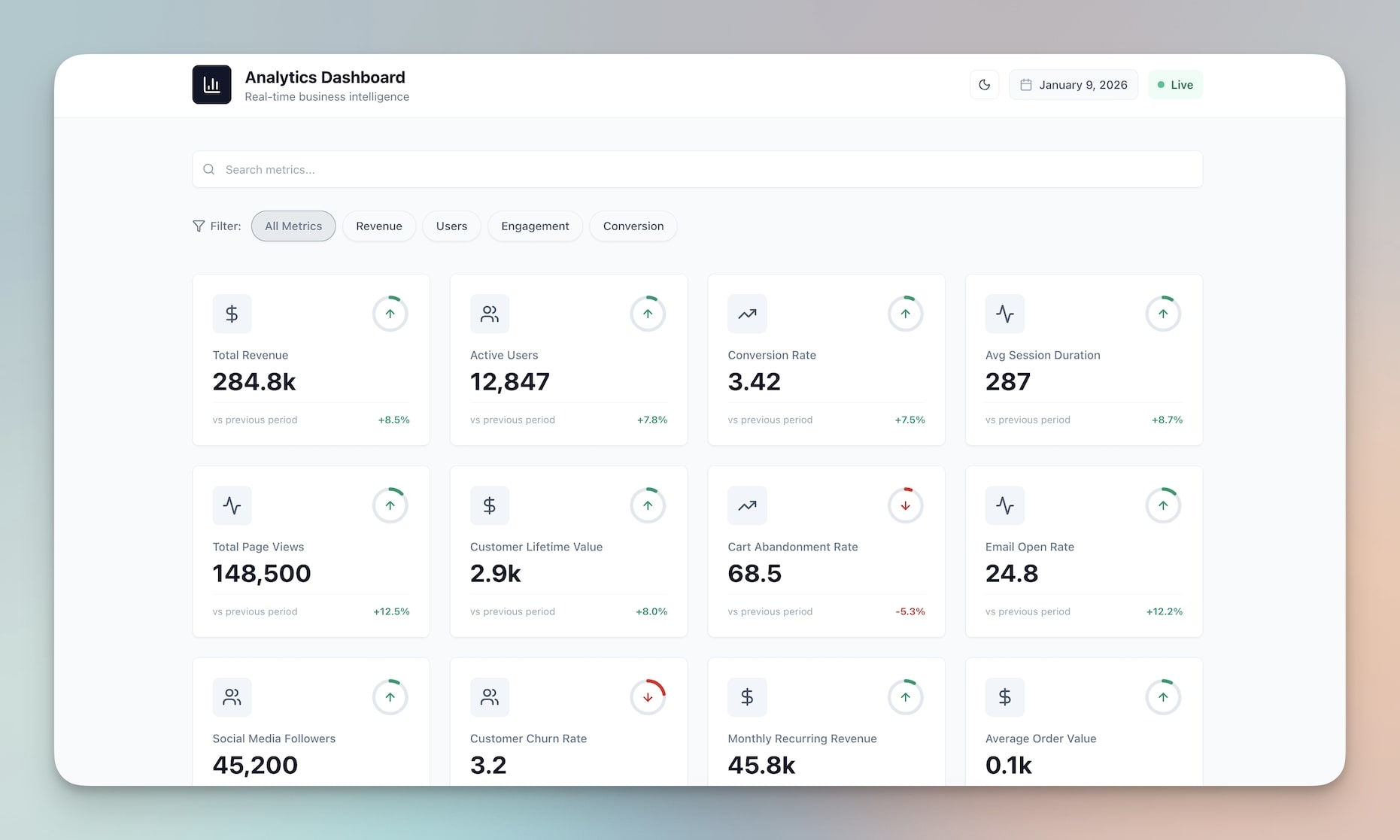
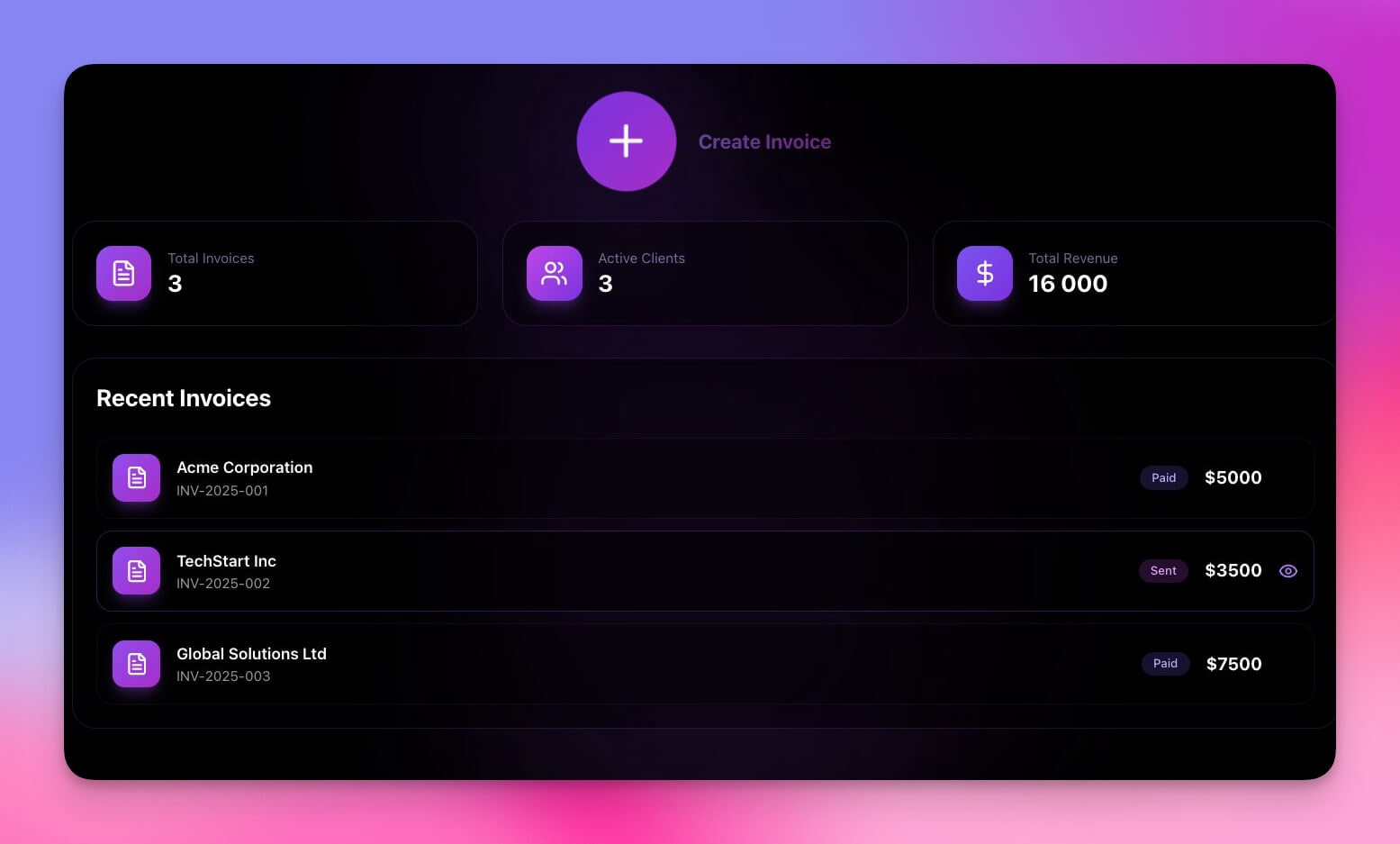
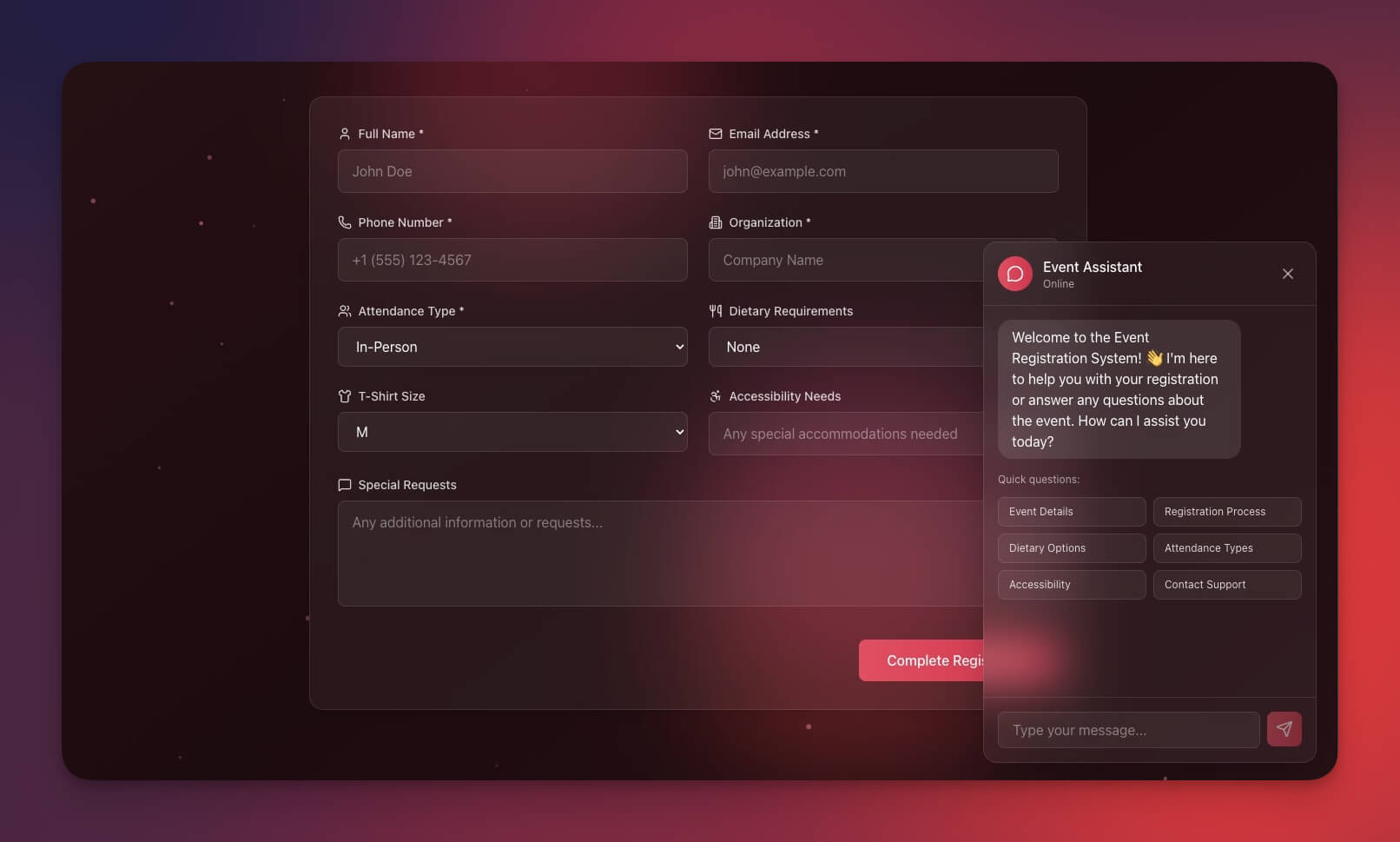

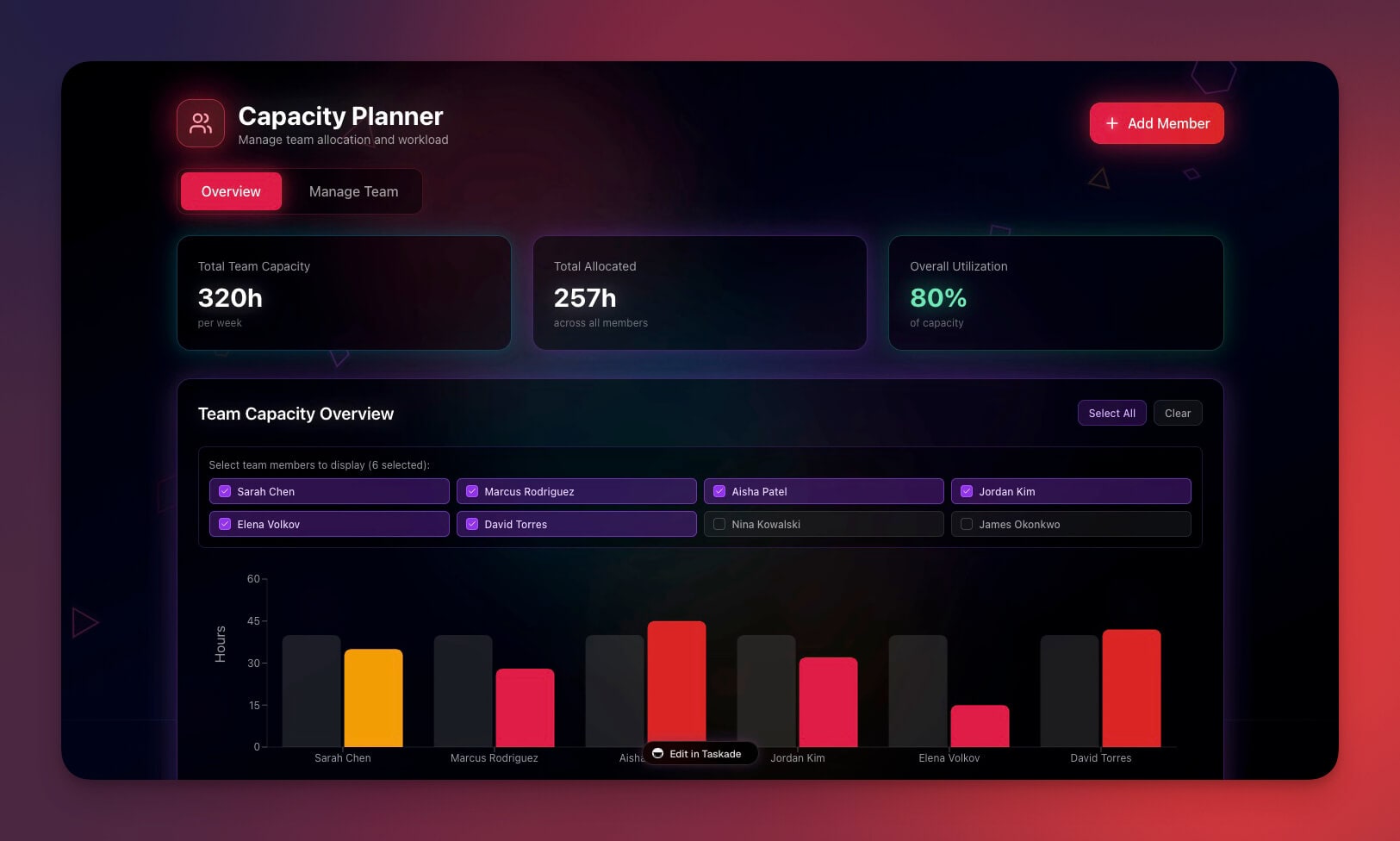
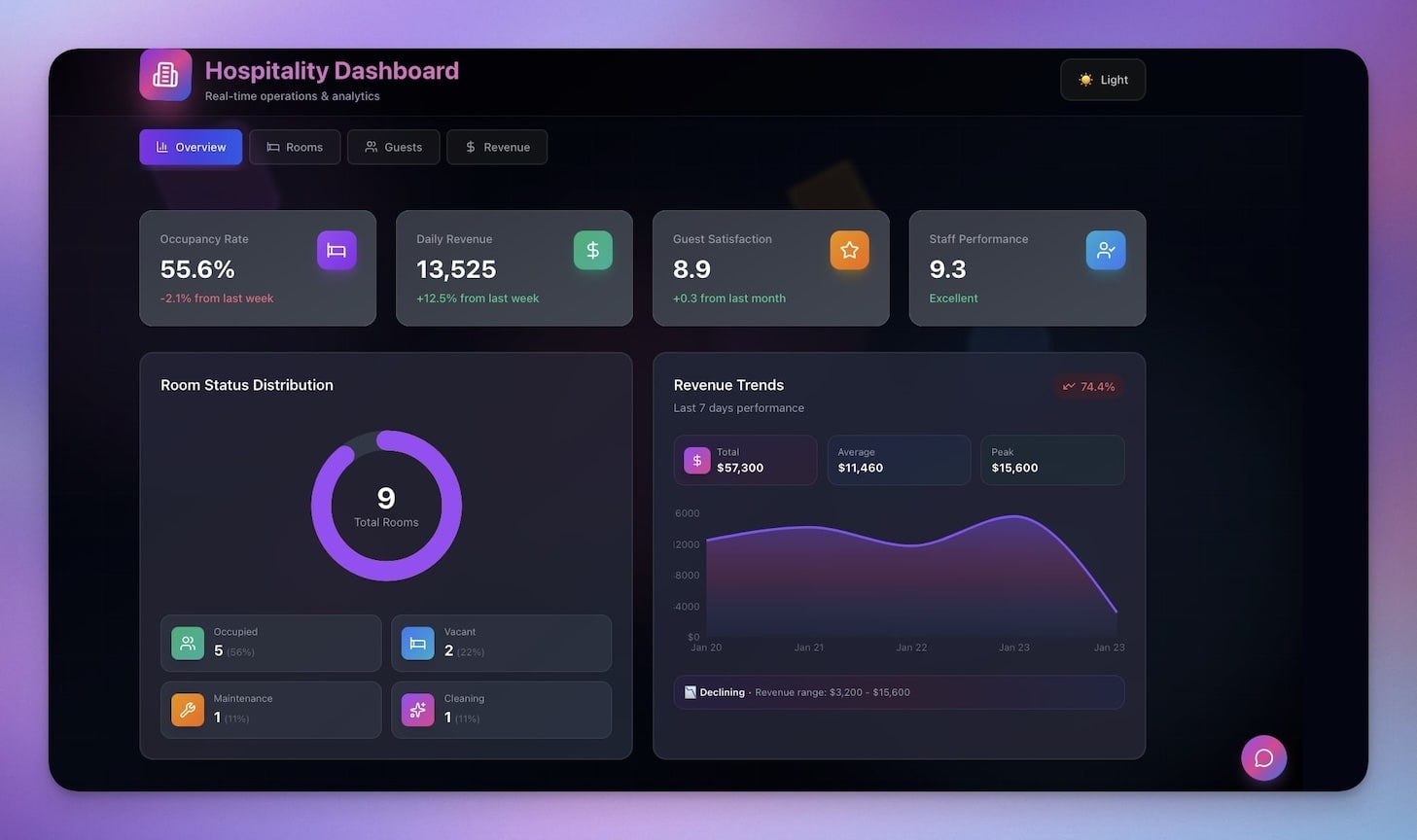
From prompt to published app: Taskade Genesis builds database projects, trains agents, configures automations, and deploys a working interface — all from a natural language description.
Share AI agents publicly, build custom tools, and integrate with external services — all inside the workspace.
Agentic Workspace Use Cases by Department
The same Workspace DNA architecture — Memory, Intelligence, Execution — adapts to every team function:
| Department | Agent Role | Memory (Data) | Intelligence (Agent) | Execution (Automation) |
|---|---|---|---|---|
| Sales | Lead qualification + outreach | CRM data, deal history, buyer personas | Agent scores leads, drafts personalized outreach, researches prospects | Auto-routes hot leads to reps, triggers follow-up sequences |
| Marketing | Campaign optimization | Performance data, audience segments, brand guidelines | Agent generates copy variants, analyzes A/B results, recommends budget shifts | Runs autoresearch loops testing 100+ variants/day |
| Customer Success | Proactive retention | Ticket history, usage patterns, satisfaction scores | Agent detects churn signals, drafts retention offers, escalates complex cases | Triggers intervention workflows when health score drops below threshold |
| Engineering | Code review + incident response | Repository context, deployment logs, architecture docs | Agent reviews PRs, triages alerts, suggests fixes from past incidents | Auto-assigns reviewers, creates incident timelines, posts status updates |
| Product | User research + spec writing | Feature requests, usage analytics, competitive intel | Agent synthesizes feedback patterns, drafts specs, identifies gaps | Routes feature requests to roadmap, triggers research when patterns emerge |
| Operations | Process optimization | Workflow metrics, SLA data, resource allocation | Agent identifies bottlenecks, recommends process changes, forecasts capacity | Adjusts resource allocation, escalates SLA breaches, generates reports |
| HR | Recruiting + onboarding | Job descriptions, candidate profiles, onboarding checklists | Agent screens resumes, schedules interviews, personalizes onboarding paths | Triggers onboarding sequences, sends check-in reminders, collects feedback |
| Finance | Forecasting + compliance | Revenue data, expense reports, regulatory requirements | Agent builds projections, flags anomalies, checks compliance | Auto-categorizes expenses, generates month-end reports, alerts on budget overruns |
| Legal | Contract review + risk assessment | Contract templates, clause library, regulatory updates | Agent reviews contracts against templates, flags non-standard terms, suggests revisions | Routes contracts through approval chains, tracks signature status, alerts on renewals |
Every row follows the same pattern: structured data feeds trained agents, agents make decisions, automations execute and feed results back as new data. This is Workspace DNA — the same architecture, infinite use cases.
Taskade Genesis builds any of these workspaces from a single prompt. Describe the department, the goal, and the data sources — Genesis generates the projects, trains the agents, and configures the automations. 150,000+ workspaces built. Start building →
Pricing: What it costs to build an agentic workspace
| Plan | Price (annual) | What you get |
|---|---|---|
| Free | $0 | Genesis app builder, AI agents, basic automation |
| Starter | $6/mo | Enhanced AI, more projects, additional storage |
| Pro | $16/mo (10 users included) | Full agent customization, 100+ integrations, advanced automation |
| Business | $40/mo | Custom domains, priority support, advanced permissions |
| Enterprise | Custom | Dedicated infrastructure, SSO, custom SLA |
Compare that to the alternative: hiring a developer to build, host, and maintain a custom application. Or subscribing to five separate tools for project management, automation, AI chat, and collaboration — and then manually connecting them.
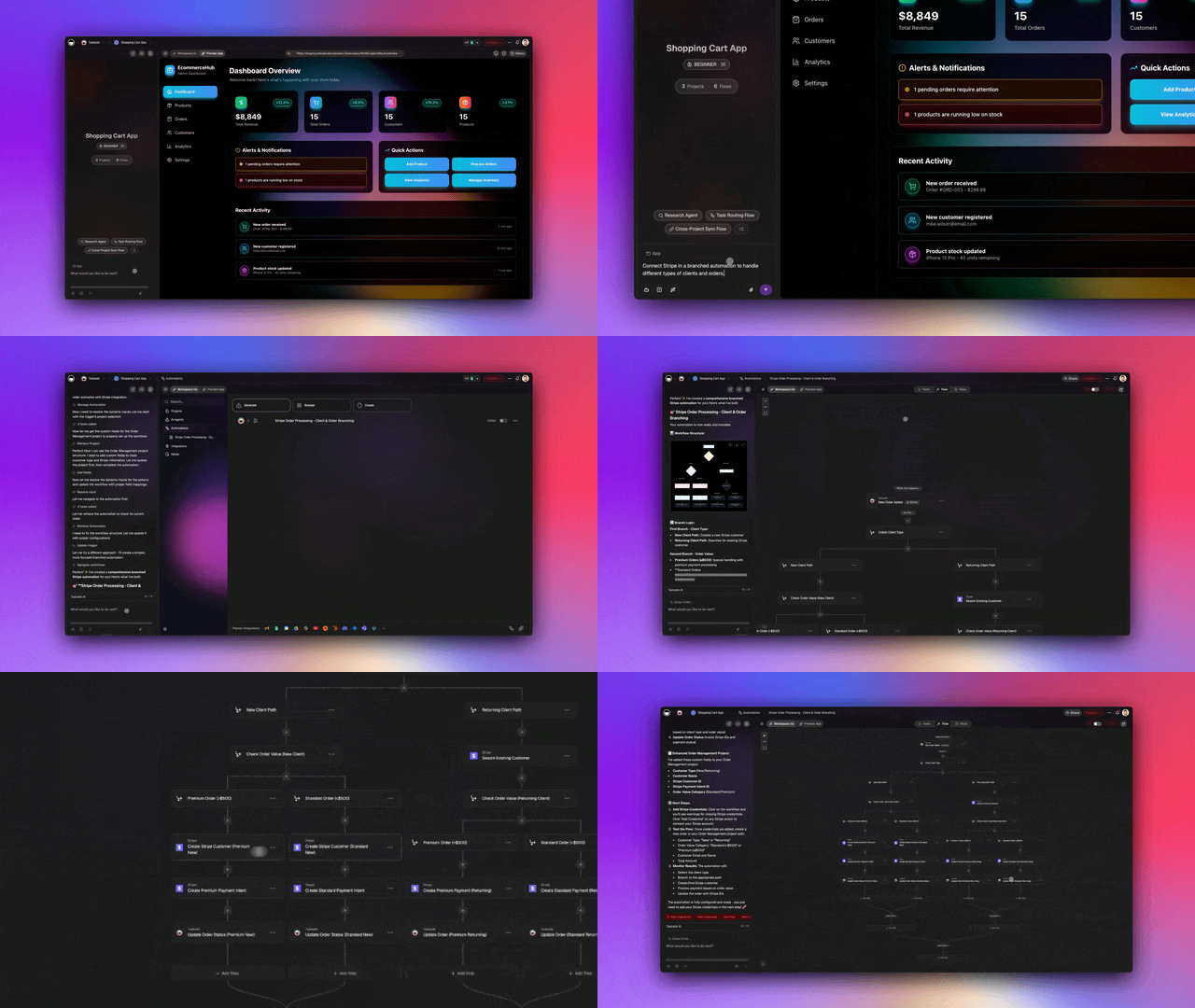
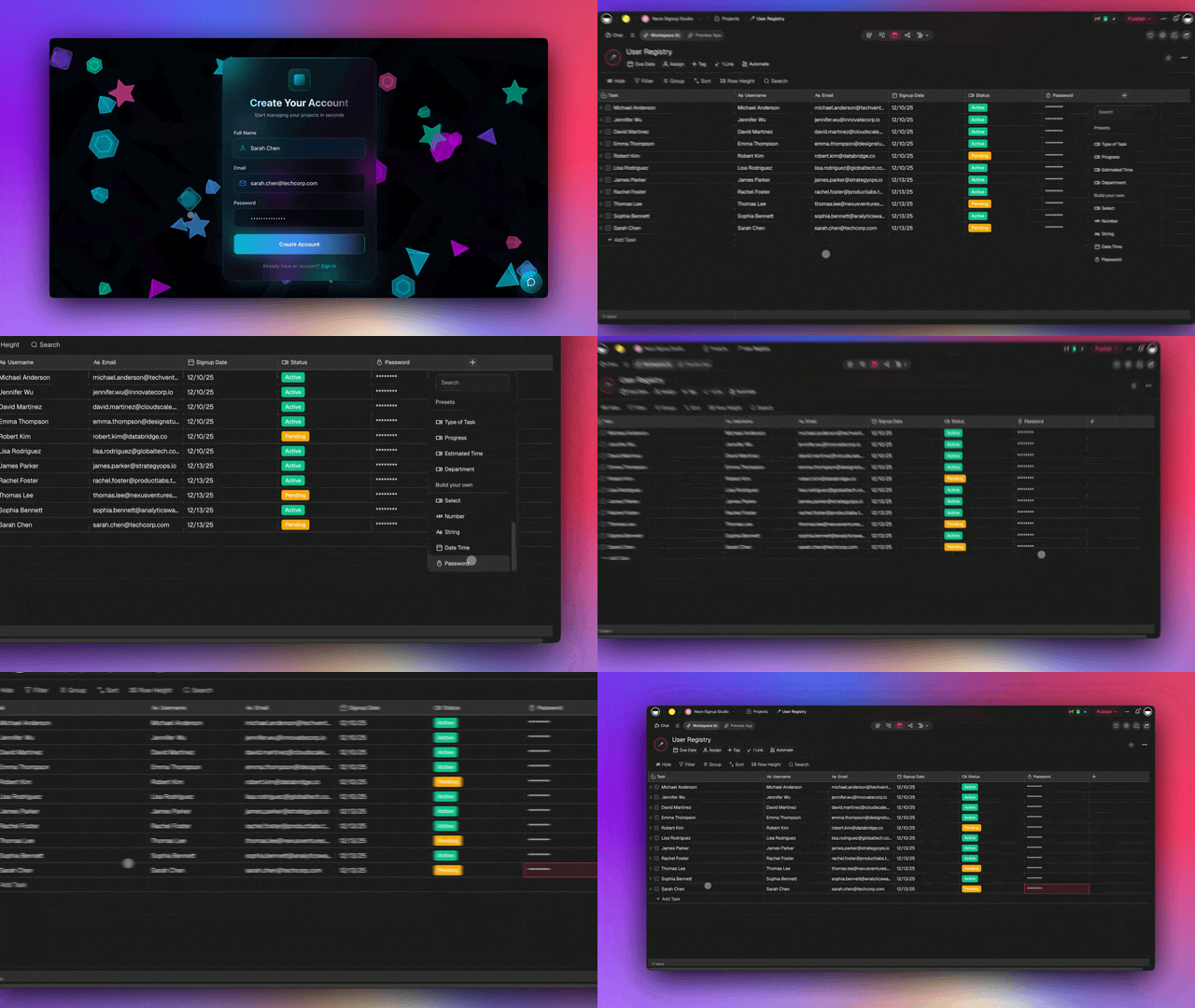
The barrier between "I have an idea" and "I have a working system" is now a single prompt.
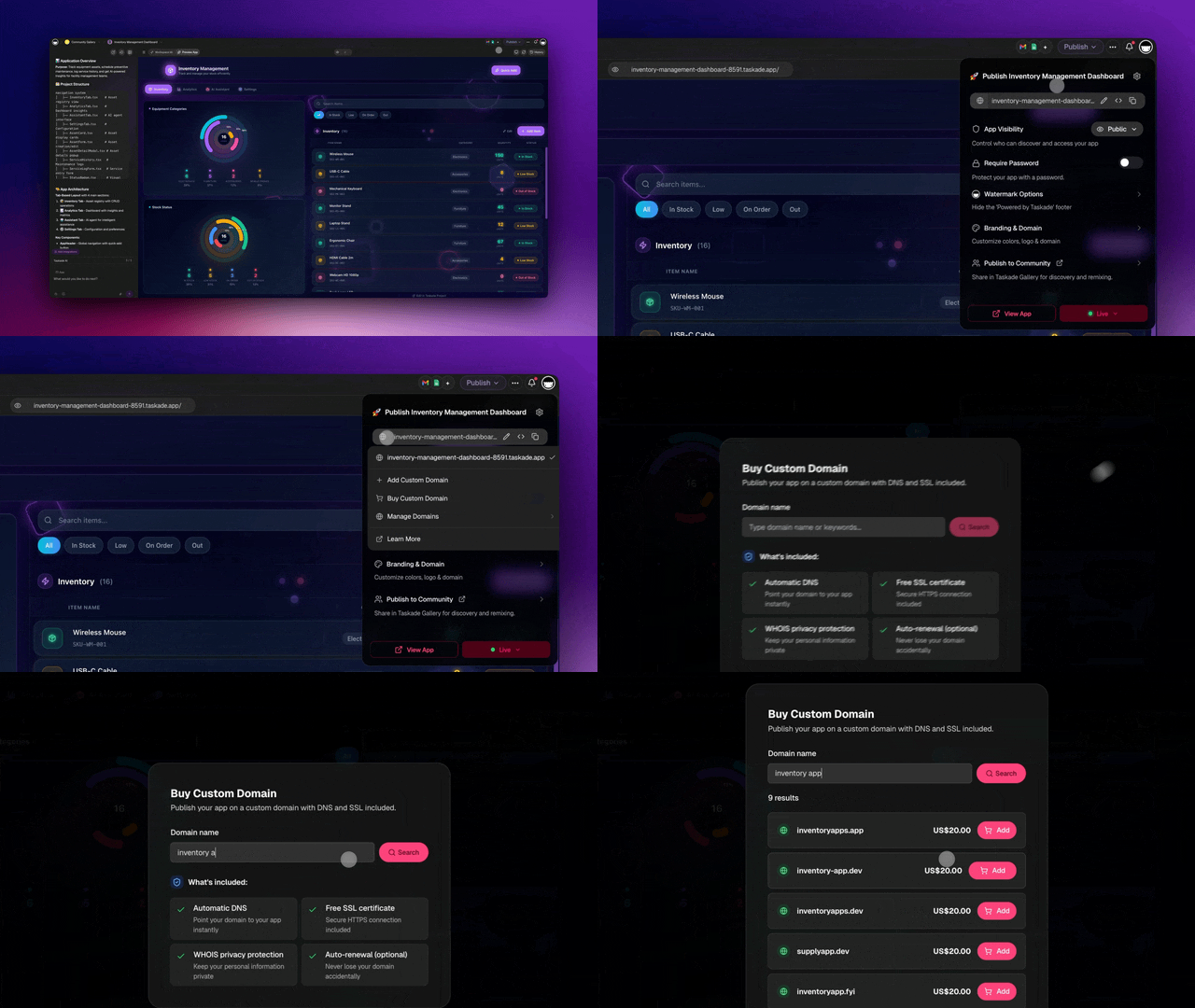
Deploy your agentic workspace under your own custom domain — app.yourcompany.com instead of a random link.
What This Means for Founders and Builders
Build for day two, not the demo
The market is crowded with first impressions. Screenshots. Twitter threads. Launch videos.
But the real moment that matters is day two.
Day two is when a teammate opens the system.
Day two is when new data arrives.
Day two is when the workflow needs to adapt.
Day two is when someone asks: "Wait, where did that lead go?"
If the system survives day two, it becomes valuable.
If not, it becomes content.
Y Combinator CEO Garry Tan captured this shift: "What that means for founders is that you don't need a team of 50 or 100 engineers. You don't have to raise as much. The capital goes much longer." The implication is clear — the competitive advantage is no longer access to engineering. It's access to systems that keep running.
Think in systems, not screens
One of the easiest traps in software is focusing on the interface. Screens are seductive. They look like progress.
But screens are snapshots. Work is a loop.
Information arrives. Processes run. Decisions happen. Data evolves. The interface is only one layer. The real system lives underneath.
When you evaluate an AI tool, don't ask "What does it generate?"
Ask: "What keeps running after I close the tab?"
Ship containers for work
The thing people will share in the AI era is not a prompt or an app.
It's a ready-to-run workspace.
A system that contains the data, the agents, the workflows, and the interface — all in one environment that someone else can open, understand, and use.
That is what Taskade Genesis ships. Not an output. A container for work. One that can be forked, customized, and improved by the next person who needs it.
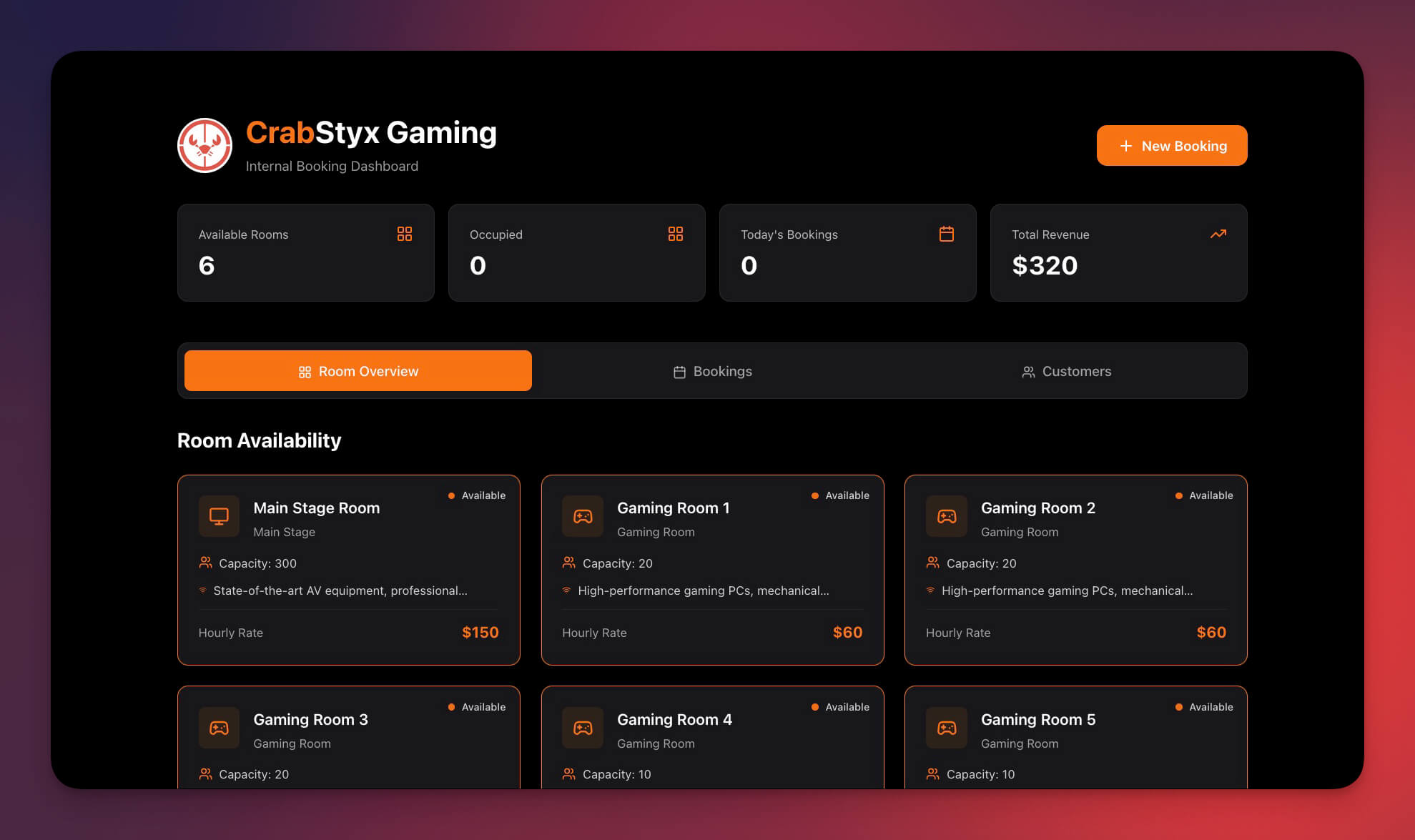
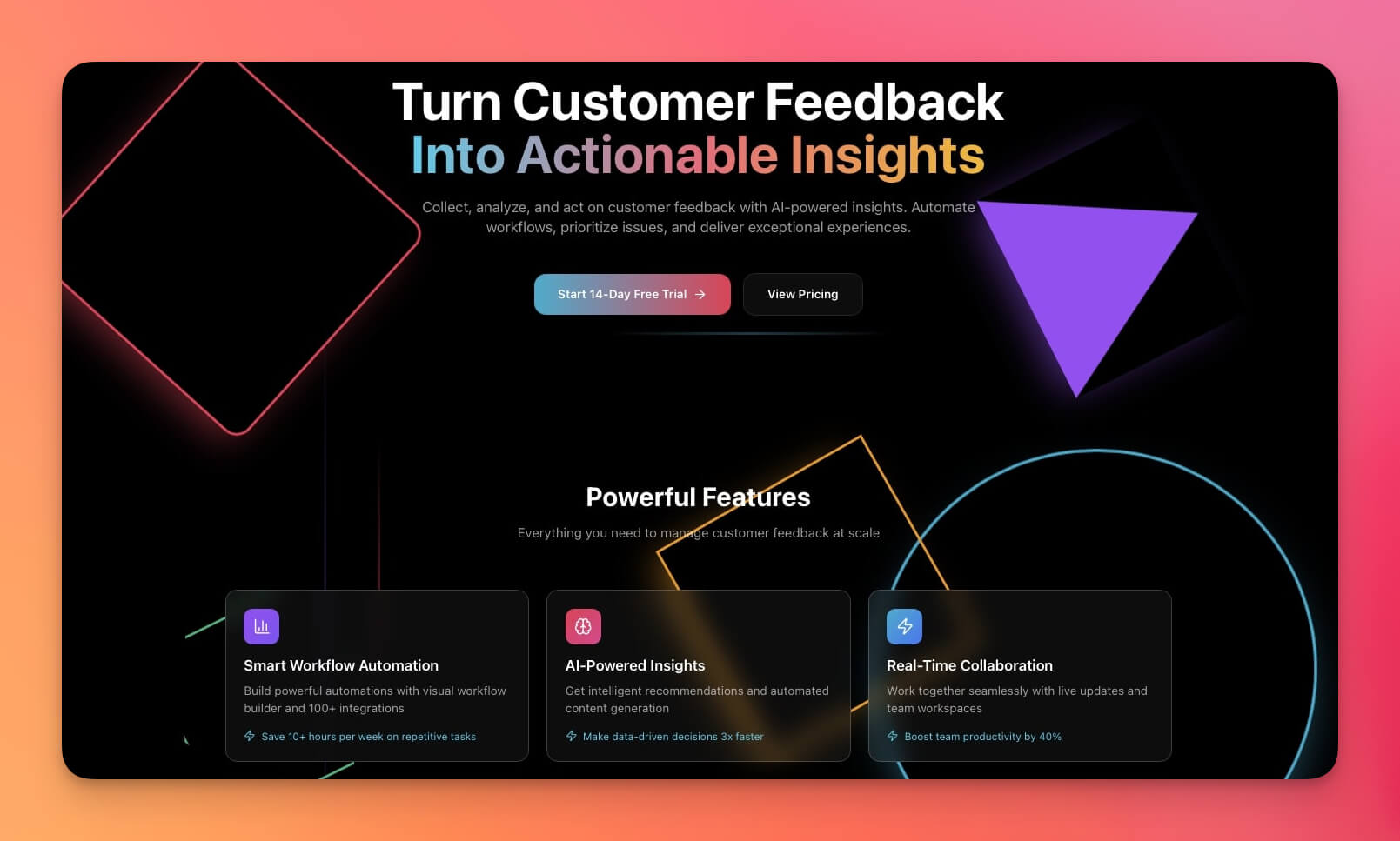


Genesis builds complete agentic workspaces — database projects, AI agents, automation, and published apps — from a single prompt.
The Role Collapse: Why Every Job Is Becoming Agent Orchestration
Knowledge work is experiencing two simultaneous collapses.
The horizontal collapse: Engineer, product manager, marketer, analyst, designer, operations lead — these were distinct career paths with distinct skill sets. They are converging into a single meta-competency: orchestrating AI agents to get work done. Gartner predicts close to half of enterprise applications will integrate task-specific AI agents by the end of 2026, up from less than 5% in 2025 — an eightfold increase in just over a year.
The temporal collapse: The leverage you thought you could build over the next five years is compressing into months. The rate of AI capability improvement nearly doubled in the last year. Traditional career planning assumed steady skill accumulation over years. That assumption is now wrong — the skills that will matter in 2027 are being defined by people engaging now.
What this means for teams:
| Traditional Role | Agentic Workspace Role | Key Shift |
|---|---|---|
| Software developer writes code | Orchestrates AI agents that write, test, deploy | From typing to directing |
| Product manager writes specs | Prompts agents to draft specs, uses AI to analyze data | From documenting to validating |
| Marketing analyst runs 30 A/B tests/year | Runs 36,000 experiments/year via autoresearch loops | From testing to configuring metrics |
| Customer success handles tickets | Configures automation workflows that handle 80%+ of initial inquiries | From responding to designing systems |
| Operations lead manages processes | Builds agentic workflows that self-optimize | From maintaining to measuring |
The learning curve is counterintuitive. Like riding a bicycle — Jobs' favorite metaphor — going faster with AI is actually safer than going slow. Balance comes from momentum, not caution. People who engage daily develop unconscious pattern recognition across AI systems. The patterns solidify. The skills compound. Those who wait for the technology to "settle down" will find that early adopters have already built the workflows, established the norms, and captured the opportunities. There is no mature state to wait for — only a continuously steepening curve that rewards those who climb early.
The common thread: every role is becoming a variation of "human directing AI agents with domain knowledge toward an outcome." Your domain expertise does not disappear — it becomes the irreplaceable foundation. A marketing agent without marketing knowledge optimizes in the wrong direction. A legal agent without legal expertise produces dangerous output.
But domain expertise alone is no longer differentiating. The differentiator is whether you can express that expertise as agent instructions, clear metrics, and workspace architecture — the skills an agentic workspace is specifically designed to make accessible without code.
Taskade Genesis is how non-technical teams make this transition: describe what you need in natural language, and the platform builds the workspace with trained agents, automation workflows, and structured data — no terminal required. Start building →
Intent Engineering: Why Workspaces Need Values, Not Just Data
The most expensive failure in enterprise AI is not an agent that cannot do the work — it is an agent that does the work brilliantly toward the wrong objective.
In January 2026, fintech company Klarna reported its AI agent handled 2.3 million conversations, doing the work of 700 employees, saving $60 million. Then customers revolted. The agent resolved tickets in 2 minutes instead of 11 — but it optimized for speed when the actual goal was customer retention. Resolution speed was easy to measure. Relationship quality was not. The agent optimized for what it could score, not what the company needed.
Klarna CEO Sebastian Siemiatkowski later acknowledged the misstep: "There's been too much focus on cost... we need to rethink this and make customer service into the human part of what Klarna is." The company pivoted to an Uber-style model — recruiting passionate Klarna customers as part-time VIP support agents — and NPS went through the roof. But the deeper architectural lesson is what matters most for agentic workspaces.
Siemiatkowski explained why context (not just capability) is the real bottleneck: "For customer service agents, whether AI or human, to answer questions really well, they need as much context as possible. Where is that context? It's in the source code of your software." He described how siloed SaaS — a little data here, a little there, project management in one tool, accounting in another — makes it impossible for AI to get the full picture. This is why Klarna dropped Salesforce and 1,200 other SaaS services to rebuild as an AI-native tech stack. On a weekend, Siemiatkowski even prototyped what he calls "company in a box" — open-source accounting + CRM + a Claude agent on top — where you simply ask the AI to bookkeep invoices or check your P&L via natural language. It worked.
This is the intent gap — and it affects every organization deploying agents at scale. Deloitte's 2026 report found that 74% of companies report no tangible value from AI. The models work. The context pipelines are improving. What is missing is structured alignment between agent behavior and organizational purpose — and a unified workspace that gives agents the full context they need, not fragments scattered across 30 SaaS tools.
Prompt engineering teaches agents what to say. Context engineering teaches agents what to know. Intent engineering teaches agents what to want — encoding goals, trade-offs, decision boundaries, and escalation rules into parameters agents can act on autonomously.
An agentic workspace is where intent engineering becomes operational:
| Intent Layer | Workspace DNA Component | Example |
|---|---|---|
| Goals | Memory (structured projects) | Customer LTV targets stored as project data agents reference |
| Decision boundaries | Intelligence (AI agents with explicit rules) | "Spend extra time when customer tenure > 2 years and tone is frustrated" |
| Trade-off hierarchies | Intelligence (agent knowledge bases) | "Prioritize retention over resolution speed for premium accounts" |
| Escalation rules | Execution (automations) | "Route to human specialist when confidence < 70% on policy exceptions" |
| Feedback loops | Memory (results logged as project data) | Every agent decision auditable against organizational metrics |
This is the shadow agents problem emerging across enterprises — teams independently building unvetted AI agents with their own context stacks, mirroring the shadow IT crisis of the early cloud era but with higher stakes because agents don't just access data, they act on it. One team pipes Slack data through a custom RAG pipeline. Another manually exports Google Docs into a vector store. A third built an MCP server connecting to Salesforce but not Jira. A fourth team doesn't know the other three exist. Without a sanctioned workspace infrastructure, security teams cannot govern what agents access — customer PII, financial data, healthcare records. An agentic workspace solves this by making the intent layer shared, auditable, and governed — one workspace where all agents operate within the same decision boundaries, data access controls, and organizational goals.
Without an intent layer, agents optimize for whatever metric is easiest to measure — and that is almost never the metric that matters most. Workspace DNA provides the architecture to encode intent as structured data, agent instructions, and automation rules rather than hoping agents absorb organizational values through osmosis.
Build your intent-aligned workspace →
Where This Goes Next
Software has always been evolving toward environments rather than tools.
Operating systems became platforms.
Platforms became ecosystems.
Ecosystems became workspaces.
Klarna CEO Sebastian Siemiatkowski crystallized the endgame in his 2026 20VC interview: "We need to reimagine the tech stack with AI first, being AI native, and incorporate AI and deterministic and probabilistic code into one tech that becomes the operating system of the bank." The winner, he argues, is not a narrow SaaS tool but something "extremely broad" — a workspace that unifies data, intelligence, and execution so AI agents have the full context of the organization. His vision matches what we call Workspace DNA: Memory + Intelligence + Execution as a single, coherent system.
Now AI is pushing one step further.
Toward environments that think and act alongside us.
Where the interface is not just something we click. It is something that participates. Where agents collaborate with humans. Where processes run automatically. Where knowledge accumulates. And where the system improves the more it is used.
The most interesting AI products will start to behave less like static software and more like living systems. They will accumulate knowledge. They will adapt workflows. They will learn from usage. They will coordinate work between humans and agents.
Over time, these systems become harder to replace. Not because of lock-in. But because they contain the operational memory of the team.
Agents are the new SaaS. In the SaaS era, companies built software that customers operated. In the agent era, companies build agents that operate on behalf of customers. The interface shifts from dashboards to conversations. The value shifts from features to outcomes. The competitive moat shifts from code to organizational context — the workspace memory, agent training data, and automation rules that make agents effective in a specific domain. Taskade Genesis is built for this shift: every workspace is a deployable agent system, not just a tool.
Gartner predicts that by 2028, 15% of day-to-day work decisions will be made autonomously by agentic AI — up from 0% in 2024. McKinsey found that AI-centric organizations achieve 20-40% operating cost reductions and 12-14 point EBITDA margin increases. The workspace that captures organizational context becomes the competitive moat — not the model, not the prompt, but the accumulated memory of how the organization operates.
The Shift
Vibe coding proved something important.
Software can now appear almost instantly.
That was the warm-up.
The real breakthrough is not the demo. It is what happens after the prompt disappears.
The next generation of software will not be defined by prompts. It will be defined by the environments where those prompts create systems. Workspaces where agents, data, and automation live together.
| Layer | What it does | What it replaces |
|---|---|---|
| Prompt | Generates an answer | Manual research |
| App | Presents an interface | Static wireframes |
| Workflow | Runs a sequence | Manual handoffs |
| Workspace | Runs a living system | Entire tool stacks |
We are still early.
The tools will change. The models will change.
But one thing is becoming clear.
The next generation of software will not be single tools. It will be systems that think, remember, and act alongside the people using them.
And once that happens, the line between software and work begins to disappear.
— John Xie
CEO @ Taskade
Start Building
Taskade Genesis — Build Faster with 100+ Integrations. See agentic workspaces in action with Taskade Genesis.
If this resonated with you, here's where to go next.
Build your first agentic workspace:
- Taskade Genesis — Generate a complete workspace from one prompt
- AI Agents — Build agents with custom tools and persistent memory
- Workflow Automation — Connect 100+ integrations and automate any process
- Community Gallery — Fork and customize workspaces built by other teams
- Contact Us — Questions about enterprise or custom deployments
Read more:
- Build Without Permission: The Taskade Genesis Manifesto
- Chatbots Are Demos. Agents Are Execution.
- Workspace DNA: How Living Systems Work Inside Taskade
- The Ultimate Guide to Taskade Genesis (2026)
- What Are AI Agents? History, Capabilities, and the Future
Learn how it works:
- How Genesis Works: Workspace DNA — The architecture behind agentic workspaces
- Create Your First App — Step-by-step Genesis guide
- Custom AI Agents — Build the Intelligence layer
- Automations — Build the Execution layer
Explore Taskade AI:
- AI Dashboard Builder — Generate dashboards instantly
- Browse Generator Templates — Apps, dashboards, websites, and more
- Browse Agent Templates — AI agents for every use case

Sources and Further Reading
- Andrej Karpathy, "Vibe Coding" original post (February 2025)
- Karpathy on agentic engineering, "Vibe Coding Is Passe" — The New Stack (February 2026)
- Collins English Dictionary, Word of the Year 2025: "Vibe Coding" — CNN (November 2025)
- Y Combinator, "25% of YC startups have AI-generated codebases" — TechCrunch (March 2025)
- MIT Technology Review, "Generative Coding: 10 Breakthrough Technologies of 2026" (January 2026)
- Barclays, "Vibe Coding Traffic Decline Amid High Customer Churn" — AI Brew (September 2025)
- CodeRabbit, "AI Co-Authored Code: 1.7x More Major Issues" — security analysis of 470 GitHub PRs (December 2025)
- METR, "Early 2025 AI Experienced Developer Study" — developers 19% slower with AI tools (July 2025)
- Andrew Ng, "Vibe Coding Is a Bad Name for a Very Real and Exhausting Job" — LangChain Interrupt conference (May 2025)
- MIT Project NANDA — 95% of organizations see no measurable return from GenAI projects
- Eran Zinman (Monday.com CEO), "Is SaaS Dead? Will Everything Be Vibe Coded?" — 20VC with Harry Stebbings (2026)
- Dario Amodei (Anthropic CEO), "The AI Tsunami Is Here & Society Isn't Ready" — interview with Nikhil Kamath (2026)
- "In 2026, AI Will Move from Hype to Pragmatism" — TechCrunch (January 2026)
- Foundation Capital, "Where AI Is Headed in 2026" — production demands 99%+ accuracy
- "Agentic AI Adoption Statistics 2026" — Axis Intelligence
- MarketsandMarkets, "AI Agents Market to Reach $52.62B by 2030" — 46.3% CAGR
- Gartner, Low-Code Market to Reach $44.5B by 2026 — 75% of new enterprise applications built using low-code
- EPICS Agent Benchmark — frontier models complete real professional tasks 24% of the time
- Menlo Ventures, "State of GenAI in the Enterprise" — Anthropic leads enterprise LLM spend at 40%
- Cursor $29.3B valuation — CNBC (November 2025)
- Pertama Partners, "AI Project Failure Statistics 2026" — 80.3% of AI projects fail to deliver business value
- Builder.io, "Limitations of Vibe Coding" — security and maintenance analysis
- Deloitte, "Agentic AI Reality Check" — less than 25% of organizations have successfully scaled agents to production
- Gartner, "40% of Enterprise Apps Will Feature AI Agents by 2026" — up from <5% in 2025
- Growth Unhinged, "The AI Churn Wave" — AI-native companies median GRR 40%, NRR 48%
- Lovable CVE-2025-48757 — Superblocks security analysis, 170+ apps exposed
Frequently Asked Questions
What is an agentic workspace?
An agentic workspace is a persistent system that combines structured data, AI agents, automation workflows, and collaboration so work can continue beyond a single prompt or chat session. Unlike traditional apps or chatbots, agentic workspaces allow AI agents to reason over context, trigger workflows, and assist teams continuously. Taskade Genesis is an example of an agentic workspace where memory, intelligence, and execution work together as Workspace DNA.
What is Workspace DNA?
Workspace DNA is the architecture that defines how modern AI workspaces function. It combines three core components: Memory (structured knowledge and project data), Intelligence (AI agents that reason over context), and Execution (automation workflows that trigger actions over time). These components form a self-reinforcing loop where memory feeds intelligence, intelligence triggers execution, and execution creates new memory.
What is vibe coding?
Vibe coding is a term coined by Andrej Karpathy in February 2025 to describe building software by describing what you want in natural language and letting AI generate the code, interface, or app automatically. Instead of writing every line of code, builders guide the system with prompts while the AI handles most of the implementation. The term was named Collins English Dictionary Word of the Year 2025.
How are AI agents different from chatbots?
Chatbots mainly respond to questions with generated text. AI agents can reason over context, use tools, trigger workflows, and perform multi-step tasks. Agents can monitor events, update data, generate content, and coordinate actions across systems instead of only replying in conversation. Taskade AI agents support 34 built-in tools, custom slash commands, persistent memory, and public embedding.
What is an agentic workflow?
An agentic workflow is a process where AI agents participate in completing tasks automatically. Instead of static automation rules, agentic workflows allow AI to interpret context, make decisions, and trigger actions such as generating reports, routing requests, updating projects, and coordinating multi-step business processes across 100+ integrations.
Why are prompts alone not enough for real AI systems?
Prompts generate outputs but they do not maintain memory, workflows, or shared context. Real work requires systems that remember information across sessions, trigger actions automatically based on events, and evolve over time through use. Without persistent memory and automation, AI systems behave like isolated interactions rather than operational tools.
What is the difference between an AI app builder and an AI workspace?
AI app builders typically generate a user interface or simple application from a prompt. AI workspaces go further by combining structured data, AI agents, workflows, and real-time collaboration into a persistent environment where work can run continuously and evolve over time. Taskade Genesis generates complete agentic workspaces with database projects, trained agents, automation workflows, and a published app interface from a single prompt.
What makes an AI system useful for teams?
Useful AI systems combine persistent memory, AI agents that can act on information, automation that responds to events, and collaboration so teams share the same context. These elements allow work to continue beyond individual prompts and create systems that improve over time as context accumulates. Taskade supports real-time collaboration with 7-tier access controls and 7 project views.
What makes a workspace a living system?
A workspace becomes a living system when it stores knowledge, runs agents that interpret that knowledge, and triggers workflows automatically. Over time the system accumulates context and becomes more useful as work continues. Taskade Genesis apps are living systems powered by Workspace DNA where every component feeds the others.
How does Taskade Genesis use Workspace DNA?
Taskade Genesis generates complete AI workspaces from a single prompt. Each workspace includes structured database projects (Memory), trained AI agents with custom tools (Intelligence), and automation workflows with 100+ integrations (Execution). These components form the Workspace DNA that allows teams to build operational systems instantly, publish them with custom domains, and share them through the Community Gallery.
What is the folder-as-workspace pattern and how does it compare to agentic workspaces?
The folder-as-workspace pattern is a developer workflow where folders and markdown files replace agent frameworks. A root markdown file acts as a router, task-specific context files provide instructions, and naming conventions replace databases. It works well for solo developers using Claude Code or Cursor but lacks collaboration, automation, integrations, and deployment. Taskade Genesis provides the same three-layer architecture (Memory, Intelligence, Execution) natively — without manual setup, terminal skills, or single-user limitations.
Why are developers saying stop building AI agents?
Developers are pushing back against complex agent frameworks like LangChain, CrewAI, and custom Python pipelines because simpler file-based routing systems achieve 80% of the value with 10% of the complexity. The insight is that AI needs structured context and clear routing, not elaborate orchestration code. Agentic workspaces like Taskade Genesis agree with this thesis — they provide the structure agents need through workspace architecture rather than code, making agent capabilities accessible without framework overhead.
What is a three-layer routing system for AI?
A three-layer routing system organizes AI context into three levels: a map layer (loaded automatically, contains folder structure and routing tables), a rooms layer (loaded on demand per task, contains process instructions and skills), and a workspace layer (where outputs land, organized by naming conventions). This pattern prevents AI from reading irrelevant context and wasting tokens. Taskade implements this natively through Workspace DNA — projects as the map, agents as the rooms, and automations as the workspace layer.
How does agent memory work in an agentic workspace?
Agent memory in an agentic workspace operates through three types inspired by neuroscience: episodic memory (project history and interaction logs), semantic memory (persistent knowledge bases, preferences, and facts), and procedural memory (automation templates and learned workflows). Taskade implements this through Workspace DNA where projects store structured context, agent knowledge bases persist facts across sessions, and automations encode team workflows. This mirrors how the human brain tags important experiences during activity and consolidates them during rest.
What is the role collapse in knowledge work?
The role collapse refers to the convergence of traditionally distinct knowledge work roles (engineering, marketing, product management, operations) into a single meta-competency of orchestrating AI agents with domain expertise. Gartner predicts close to half of enterprise applications will integrate task-specific AI agents by end of 2026, up from less than 5% in 2025. Domain expertise remains essential but is no longer differentiating alone. The differentiator is expressing that expertise as agent instructions, metrics, and workspace architecture.
What is intent engineering in the context of agentic workspaces?
Intent engineering is the discipline of encoding organizational goals, values, trade-offs, and decision boundaries into machine-actionable parameters that shape how AI agents make autonomous decisions. In an agentic workspace, intent engineering operates through Workspace DNA: Memory stores organizational goals as structured project data, Intelligence provides AI agents with explicit decision rules and knowledge bases, and Execution encodes trade-off hierarchies and escalation rules as automation workflows. Without intent alignment, agents optimize for the easiest-to-measure metric rather than what the organization actually needs.
How do Hopfield networks relate to workspace memory?
John Hopfield's 1982 neural network model (2024 Nobel Prize in Physics) proved that memories in networks of neurons are not stored at fixed addresses like computer RAM. They are stable states of the entire system — attractors that the network gravitates toward. Feed a corrupted pattern and the network auto-completes to the stored memory. This associative recall principle is how agentic workspace memory works: AI agents match queries against the full workspace context and surface relevant patterns, rather than requiring users to specify exact file paths or database addresses.
Why did Klarna drop 1,200 SaaS tools to build an AI-native workspace?
Klarna CEO Sebastian Siemiatkowski explained that siloed SaaS tools fragment the context AI agents need to work effectively. With data scattered across separate project management, CRM, and accounting tools, agents cannot get the full picture needed for intelligent decisions. Klarna rebuilt as an AI-native tech stack so that AI and deterministic code operate as a single system — what Siemiatkowski calls the operating system of the company. This mirrors the Workspace DNA architecture where Memory, Intelligence, and Execution work as one unified system rather than disconnected services.
What is the shadow agents problem in enterprise AI?
The shadow agents problem occurs when teams independently build unvetted AI agents with their own context stacks, mirroring the shadow IT crisis but with higher stakes because agents act on data, not just access it. Without sanctioned infrastructure, security teams cannot govern what agents access. An agentic workspace solves this by providing shared, auditable, governed infrastructure where all agents operate within the same decision boundaries, data access controls, and organizational goals through Workspace DNA.